


Collection: What Are the Legendary Kung Fu Movie Stars Doing Now?
If you remember the faces from Shaw Brothers movies and classic Hong Kong action films, this page follows the people behind them. These profiles bring together their martial arts training, film roles and the lives they built beyond the screen.
Some began in Chinese opera schools; others studied family kung fu systems, karate or Taekwondo. Others learned screen fighting through studio training and stunt work. A character's fighting style does not always tell us what the actor studied in real life.
From Gordon Liu's Shaolin films and Angela Mao's martial arts movies to the Venom Mob and Japanese action stars, each career has its own story. Where later-life details remain private or uncertain, the profiles focus on what is documented.
Find a name on this page
TI LUNG

Ti Lung was born in Hong Kong and came into the Shaw Brothers system in a way that sounds almost too simple today: he saw an advertisement for the studio's acting course and went to try out. After finishing the course, he landed a small part and caught Chang Cheh's attention.
Real-life martial arts: Ti Lung did not rely on looks alone. He studied Wing Chun under Jiu Wan and later trained in other areas including judo, Muay Thai, taekwondo and wushu. That combination of physical strength, footwork and discipline helped make him one of Chang Cheh's ideal leading men.
His partnership with David Chiang became one of the defining pairings of 1970s Shaw Brothers cinema. After leaving the studio, Ti Lung rebuilt his career in modern Hong Kong films, especially after his role in A Better Tomorrow. He continued acting for decades and remains one of the great living links to the Shaw Brothers era.
DAVID CHIANG

David Chiang became a leading performer in the Shaw Brothers era. He began acting as a child and later worked as a martial arts stuntman and fight instructor before director Chang Cheh gave him leading roles.
Real-life martial arts: Chiang worked as a stuntman and fight instructor before becoming a leading actor. His screen fighting developed through practical action-film work; a specific traditional lineage is not established in the biographical material reviewed.
His quick, athletic fighting style became a major part of his screen image. He starred with Ti Lung in classic films including Vengeance!, The Blood Brothers and The New One-Armed Swordsman.
After his Shaw Brothers years, David Chiang continued acting in Hong Kong film and television and also worked as a director and producer.
GORDON LIU

Gordon Liu was born in Guangdong and grew up in Hong Kong. As a boy he became fascinated with kung fu and secretly trained because his parents did not want him studying martial arts. He eventually trained at the school of Lau Cham, learning the Hung Gar tradition connected to the Lau family.
Real-life martial arts: Gordon Liu studied Hung Gar at Lau Cham's school. His connection with the Lau family led to film work with Lau Kar-leung, where his training became central to demanding kung fu and weapons scenes.
Then came The 36th Chamber of Shaolin. Gordon shaved his head and played San Te, and the movie turned him into an international kung fu star. His later appearance as Pai Mei in Kill Bill introduced him to another generation. After suffering a stroke in 2011, Gordon stepped away from acting and has lived a much quieter life.
Later life: Public details about Gordon Liu's later years are limited.
LO MENG
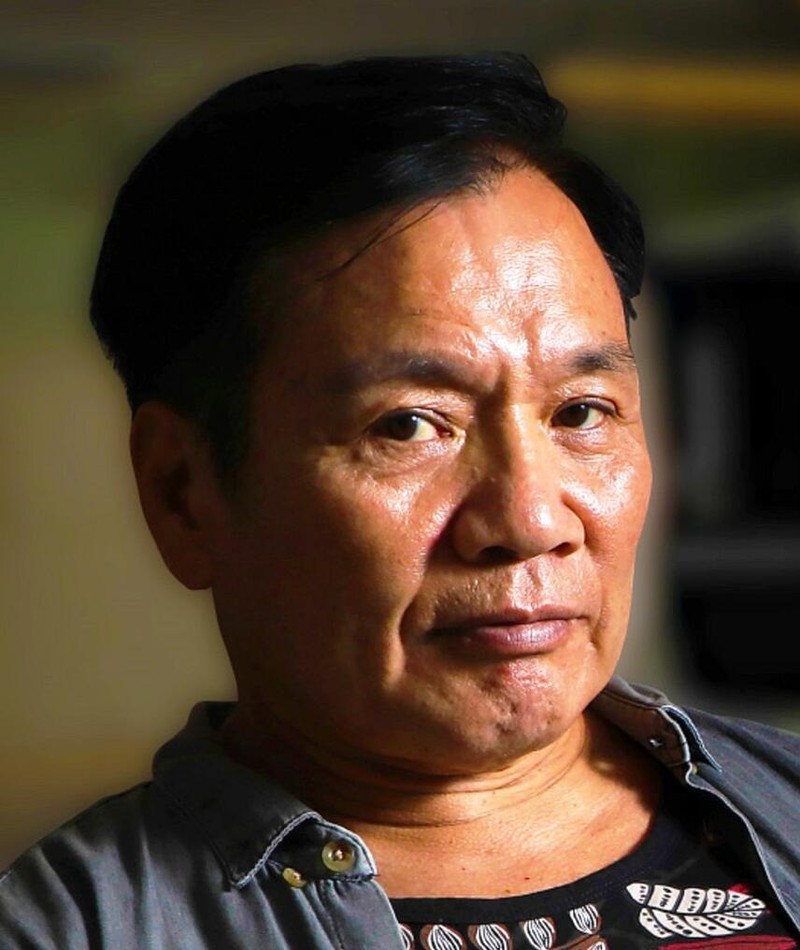
Lo Meng was born in Hong Kong and became one of the most physically impressive performers in the Shaw Brothers stable. He trained in Taijiquan and spent more than a decade studying Chu Gar Tong Long Southern Praying Mantis.
Career and life: Before becoming a star, Lo worked at Chang Cheh's film company in Taiwan. His build and training in Chu Gar Southern Praying Mantis helped distinguish him from the acrobats and kicking specialists around him.
As the Toad in The Five Deadly Venoms, he became one of the faces of the Venom Mob. He continued acting after Shaw Brothers and has also worked in television and action choreography. He has even developed a strong comedy side to his later acting.
Later life: Public details about Lo Meng's later years are limited.
HSIAO HO

Hsiao Ho, also known as Hsiao Hou, was born in Meixian District, Guangdong, and was raised in the demanding world of Chinese opera. As a child he trained in Beijing Opera under Fan Kuk-Fa, learning the acrobatics and stage movement that later made him so exciting to watch.
Film work: His opera training carried into Mad Monkey Kung Fu, where balance, tumbling and quick changes of direction shaped his performance. His other films include Legendary Weapons of China, My Young Auntie and Disciples of the 36th Chamber. He also worked in stunts and action choreography.
Later life: Public details about Hsiao Ho's later years are limited.
KUO CHUI / PHILIP KWOK

Philip Kwok, better known to many fans as Kuo Chui, was born in Taipei. He trained at the Fu Sheng School, where he studied northern-style kung fu and Taiwanese opera. He also spent time performing as a street acrobat.
Career and life: Kwok lost two fingers on his left hand in a childhood accident and continued training. Chang Cheh noticed his performance work in Taiwan and brought him into the group of young actors who became associated with Shaw Brothers' Venom Mob films.
He became one of the most recognizable Venoms, often playing the hero while also doing his own demanding action work. Later he worked as an action director and stuntman and became internationally familiar again as Mad Dog in John Woo's Hard Boiled.
Later life: Public details about Kuo Chui / Philip Kwok's later years are limited.
LU FENG

Lu Feng was born in Taiwan in 1956 and became one of the most recognizable members of the Venom Mob at Shaw Brothers. Fans remember him as the Centipede in The Five Deadly Venoms, but there was much more to his story than that famous role.
Real-life martial arts: Lu began training when he was only eight years old at the army-affiliated Junior Lu Guang Drama School in Taiwan. He learned martial arts and acrobatics there, and that training eventually led to work as a stunt performer. His physical ability caught the attention of director Chang Cheh, who brought him into his group of young Taiwanese performers.
Lu started getting acting opportunities in Chang Cheh's films in the mid-1970s. He became part of the same circle that included Chiang Sheng, Philip Kwok, Sun Chien and Lo Mang. When Chang moved his operation to Shaw Brothers in Hong Kong, Lu went with him.
Lu Feng is living. His career is a good example of how the old Shaw Brothers stars were often more than actors. Many of them were trained performers, stuntmen, weapons specialists and action choreographers.
SUN CHIEN

Sun Chien was born in Taiwan and lost both parents while he was still young. He was raised by his two sisters. His martial arts background developed through Taekwondo, including training connected with the military.
Real-life martial arts: Sun Chien practiced Taekwondo in the military. His kicking skills became a defining part of his Shaw Brothers performances, including the Scorpion in Five Deadly Venoms.
In 1976, Chang Cheh was looking for new talent in Taiwan for Chinatown Kid. Sun was selected from a large group of competitors and made his way into the Hong Kong film industry.
His speed and kicking ability made him a natural fit for Chang Cheh's action movies. He became the Scorpion in The Five Deadly Venoms, later worked as an action director and assistant director, and eventually retired from acting in the early 1990s.
WEI PAI

Wei Pai, also known as Wai Pak or Pai Wei, became famous as the Snake in The Five Deadly Venoms. He was not used in exactly the same way as the other core Venoms, and his film career included more dramatic and character work than some of his fellow fighters.
Real-life martial arts: Reliable biographies do not clearly document a specific formal martial arts style or teacher, a specific lineage is not confirmed.
He appeared in several Chang Cheh productions, including Invincible Shaolin, Kid with the Golden Arm and Ten Tigers of Kwangtung. His quieter style gave the Venom films another kind of performer beside the acrobats and weapons specialists.
Later life: Public details about Wei Pai's later years are limited.
ANGELA MAO
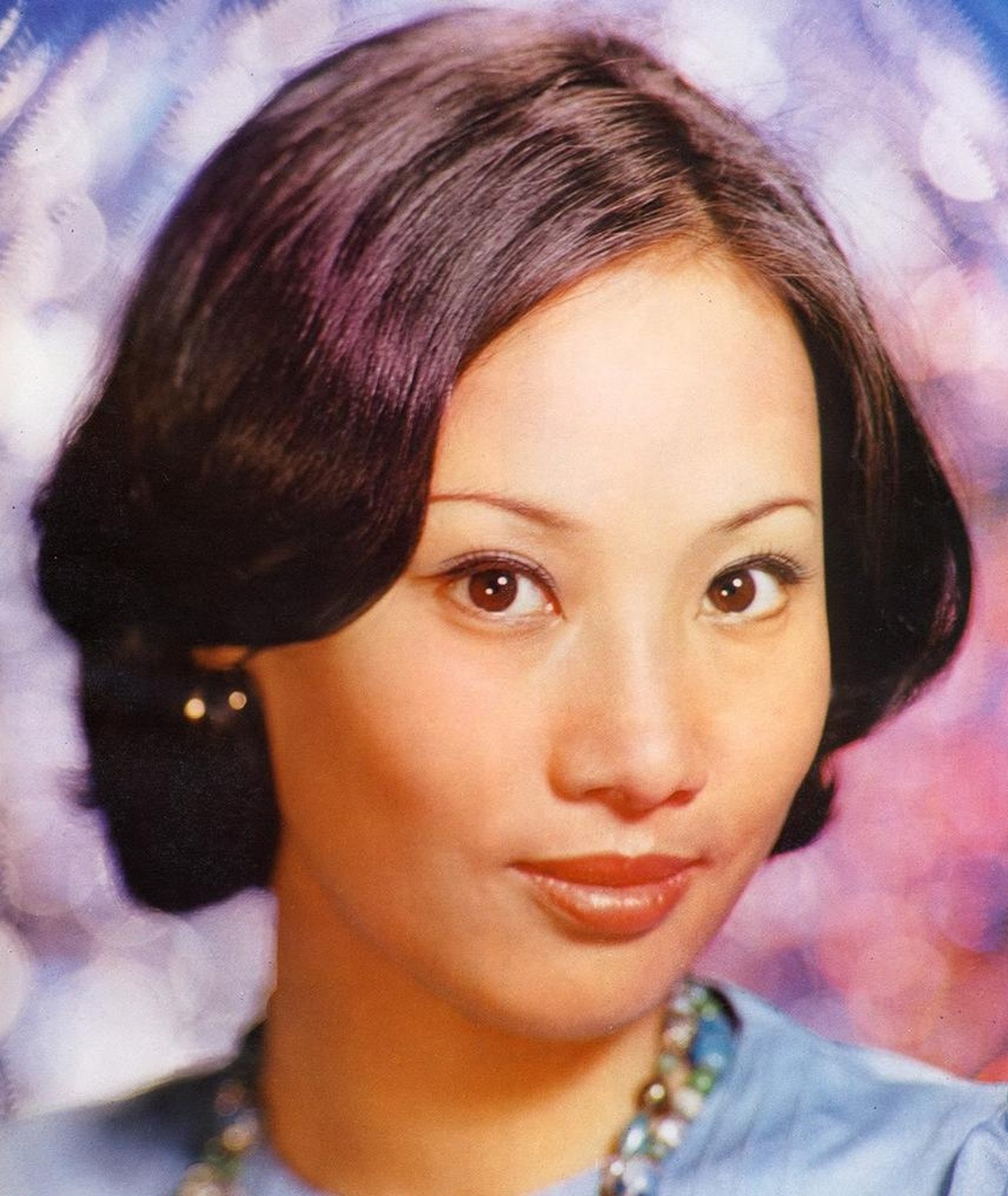
Angela Mao was born in Taiwan and grew up in a family connected to Peking Opera. She began opera training as a child, learning stage movement, flexibility and performance. She also studied Hapkido, eventually developing the real martial arts ability that became a major part of her screen career.
Films and later life: Hapkido, Lady Whirlwind and When Taekwondo Strikes established Angela Mao as a leading female martial arts star. She later stepped away from acting and built a quieter family life in New York.
Director Huang Feng noticed her talent, and Golden Harvest brought her into the Hong Kong film industry. At a time when women were rarely given the same action opportunities as men, Angela became a leading star in her own right.
Later life: Public details about Angela Mao's later years are limited.
KARA HUI YING-HUNG

Kara Hui is one of the great stories of the Shaw Brothers era. She grew up in Hong Kong and had a difficult childhood, working from a young age and eventually becoming a professional dancer.
Real-life martial arts: Her training included dance and weapons instruction. She was taught by Mark Bo-sim, the mother of Donnie Yen, and Kara has said that the training helped her learn choreography extremely quickly. She could listen to a director describe a sequence and remember the movements without needing them demonstrated over and over.
Lau Kar-leung recognized what she could do and made her one of his leading female performers. My Young Auntie became one of her signature films. Kara never disappeared from the business and went on to win major acting awards, becoming just as respected for dramatic acting as she had been for kung fu.
Later life: Public details about Kara Hui Ying-Hung's later years are limited.
JOHN LIU

John Liu became famous for a kind of kicking that looked almost impossible. His career grew during the great kicking era of 1970s Hong Kong martial arts cinema, when audiences were beginning to recognize the difference between a movie actor and a performer who could really fight.
Real-life martial arts: He trained extensively and became closely associated with Taekwondo and high kicking. He also learned from other major kicking specialists, including Tan Tao-liang, and developed his own approach to martial arts.
John Liu's kung fu films include The Secret Rivals and Invincible Armour. After his leading roles, he continued teaching and developing his martial arts system. His high kicks, flexibility and controlled footwork remain the qualities many fans remember.
Later life: Public details about John Liu's later years are limited.
HWANG JANG-LEE

Hwang Jang-lee was born in Aomori, Japan, to Korean parents and grew up in Korea. He began martial arts training in his teens and became a highly ranked practitioner of Taekwondo and Tang Soo Do.
Real-life martial arts: Before becoming a movie star, he served as a martial arts instructor for the Korean military in Vietnam. That background explains why his movie kicking looked so different from the average actor's choreography.
Hong Kong filmmaker Ng See-yuen brought him into the Hong Kong film business in the 1970s. Hwang became one of the screen's greatest villains, especially opposite Jackie Chan in Snake in the Eagle's Shadow and Drunken Master. He later taught martial arts, worked as a technical adviser and still takes part in martial arts events.
Later life: Public details about Hwang Jang-Lee's later years are limited.
TAN TAO-LIANG

Tan Tao-liang was born in Busan, South Korea, to Chinese Korean parents. He started martial arts training at seven and studied several systems, including Taekwondo, Judo, Hapkido and kung fu.
Real-life martial arts: Taekwondo became his specialty because he loved the speed, competition and high kicks. He won championships and eventually taught Taekwondo at National Taiwan University. His reputation as a martial artist brought him to the attention of filmmakers.
His movie career took off in the 1970s, and fans soon knew him as Flash Legs. After leaving acting, he continued teaching and passed his knowledge to students including John Liu, Yuen Biao and others. He is one of the people who helped shape the high-kicking style that fans associate with classic kung fu movies.
Later life: Public details about Tan Tao-Liang's later years are limited.
SHO KOSUGI

Sho Kosugi was born in Tokyo and grew up in a family that did not force him into one particular career. He began studying karate as a child and kept adding martial arts to his training.
Real-life martial arts: His background became distinctively broad. He trained in Shindō jinen-ryū karate, judo, kendo, iaido, kobudo, aikido and ninjutsu, and became an All Japan Karate Champion. He later moved to the United States, studied at college and opened martial arts schools.
Selected films: Enter the Ninja, Revenge of the Ninja, Ninja III: The Domination, Pray for Death and Black Eagle. His film career helped bring ninja movies to a wider international audience.
YASUAKI KURATA

Yasuaki Kurata was born and raised in Ibaraki, Japan. His father introduced him to Shito-ryu karate when he was young, and Kurata eventually earned a seventh-dan black belt.
Real-life martial arts: He also trained in judo, aikido and kendo. After studying at Nihon University, he entered the Japanese film business and eventually became one of the most important Japanese martial artists working in Hong Kong cinema.
His films include Heroes of the East, Legend of a Fighter and Fist of Legend. Moving between Japanese and Hong Kong productions gave Kurata opportunities to work with different action teams and bring his karate background to contrasting screen opponents.
SHIH SZU

Shih Szu joined Shaw Brothers in 1970 and became known for swordswomen and other leading female roles in the studio's kung fu and wuxia movies.
Real-life martial arts: Shih Szu studied ballet from childhood. Reliable biographies do not establish one formal kung fu lineage for her, her dance training should not be confused with a named kung fu lineage.
Her film work includes The Lady Hermit, The Avenging Eagle and The Deadly Breaking Sword. These roles made her a familiar face in the Shaw Brothers swordplay films of the 1970s.
YEUNG JING JING

Yeung Jing Jing became one of the familiar female faces of Hong Kong martial arts cinema during the Shaw Brothers era. She was especially known for her athletic ability, strong screen presence and performances in kung fu and action films.
Real-life martial arts: Yeung Jing Jing was trained in wushu from childhood. That real training helps explain the speed, balance and athletic movement she brought to her fight scenes, and she later worked as a fight choreographer as well.
Her Shaw Brothers films include The Treasure Hunters and The Eight Diagram Pole Fighter. In the latter, she played the Yang family's Ninth Sister, bringing her wushu background to the film's demanding action.
Her career also extended into fight choreography, carrying her experience as a performer into work behind the camera.
CANDY WEN HSUEH-ERH

Candy Wen Hsueh-Erh became one of the memorable young female stars of the Shaw Brothers era. Born in Hong Kong, she entered the entertainment business while still a teenager and quickly became known for her work in martial arts and wuxia productions.
Real-life martial arts: Candy Wen received performance and martial arts training during her early years in Hong Kong entertainment. Reliable sources do not clearly identify one formal kung fu style or teacher; her screen roles do not establish a particular lineage.
Candy Wen's Shaw Brothers films include Ode to Gallantry and The Sword Stained with Royal Blood. Her youthful screen presence and roles in swordplay stories made her familiar to collectors of the studio's later wuxia films.
After her early film career, Candy Wen continued working in Hong Kong television and later returned to acting in film and television. She remains active in the entertainment industry, making her one of the classic kung fu-era performers fans can still follow today.
HOU CHAO SENG

Hou Chao Seng was one of the recognizable supporting performers who appeared during the kung fu film boom of the late 1970s and early 1980s. He became particularly familiar to fans of classic Hong Kong martial arts cinema through his work in a number of classic action films.
Real-life martial arts: John Cheung, who worked with Hou in Snake in the Monkey's Shadow, specifically remembered that Hou was good at Drunken Fist. Other film sources describe him as a practitioner of Monkey Fist, but I have not found a reliable biographical source proving a formal Monkey-style lineage. The movie shows Monkey-style kung fu, but that does not by itself prove Hou studied it in real life.
Hou Chao Seng worked during a particularly exciting period when Hong Kong filmmakers were combining traditional martial arts with increasingly elaborate fight choreography. His appearances are part of the deep supporting cast that helped give these classic productions their distinctive character.
Later life: Public accounts focus on his film career; details of his later years are limited.
CHARLIE CHAN YIU-LAM

Charlie Chan Yiu-Lam was a familiar face in the golden era of Hong Kong kung fu cinema. He became known for his supporting roles in martial arts films during the 1970s and 1980s, appearing alongside many of the leading stars and martial artists of the period.
Real-life martial arts: Charlie Chan Yiu-Lam was an experienced martial arts performer, but reliable biographies do not clearly document a formal school or named martial arts lineage. His fight work is well established; a specific style is not.
His films include The Secret Rivals 2, Death Duel of Kung Fu and Legend of a Fighter. These supporting roles placed him alongside leading performers in Hong Kong's independent kung fu films.
Later life: Public accounts focus on his film career; details of his later years are limited.
KONG DO

Kong Do, also known as Chiang Tao and Donald Kong, was a familiar performer in classic Hong Kong kung fu cinema. Born in Taiwan in 1942, he became a busy character and martial arts performer during the great kung fu boom of the 1970s and 1980s.
Real-life martial arts: Kong Do was a martial arts performer as well as an actor, but detailed biographies of his personal training are limited. The surviving record does not give us a reliable named lineage; screen roles alone do not establish a personal fighting style.
His film work includes Five Shaolin Masters, Disciples of Shaolin and Executioners from Shaolin. He also worked in independent Hong Kong and Taiwanese productions across kung fu, wuxia and other action genres.
Kong Do is living. Born on June 17, 1942, he remains part of the history of Shaw Brothers, classic kung fu movies and Hong Kong martial arts cinema.
CHAN LAU

Chan Lau was a familiar face during the golden era of Hong Kong kung fu cinema. He built a long career as a supporting actor and martial arts performer, appearing in many of the action films that helped define Hong Kong's classic kung fu period.
Real-life martial arts: Chan Lau worked as a martial arts performer and was clearly experienced with fight choreography, but reliable sources do not establish a specific formal style or teacher for his personal training.
His work covered both traditional kung fu and wuxia productions. He was part of the large group of dependable martial arts performers who helped directors create the elaborate fight scenes that became a trademark of 1970s and 1980s Hong Kong cinema.
Later life: Public accounts focus on his film career; details of his later years are limited.
LUNG TIEN-HSIANG

Lung Tien-Hsiang, also known as Lung Tien-Sheng, is a Taiwanese actor who became known to kung fu fans through his work with Shaw Brothers during the late 1970s and early 1980s. Born in Taiwan in 1955, he was one of the martial arts performers brought into Hong Kong cinema during an important period in Shaw Brothers history.
Real-life martial arts: Lung Tien-Hsiang became known as a martial arts actor after Chang Cheh recruited him, but reliable biographies are much clearer about his film career than about a named personal martial arts lineage. We leave that detail open rather than guess.
Lung was particularly effective in the serious martial arts roles that became a trademark of Chang Cheh's films. He worked alongside many of the performers who defined the Shaw Brothers era, including members of the Venom Mob and other major Hong Kong action stars.
His later credits include television and film work well into the 21st century, including appearances in GATAO: Like Father Like Son and GATAO: Big Brothers. Lung Tien-Hsiang remains active in Taiwanese film and television. Taiwan Cinema lists him in the 2025 film GATAO: Big Brothers, confirming that his career continued well beyond the Shaw Brothers era.
YEUNG HUNG

Yeung Hung was a martial arts performer working in Hong Kong kung fu cinema during the 1970s and 1980s. He became a familiar face to fans through his supporting roles in some of the era's classic action and martial arts productions.
Real-life martial arts: Yeung Hung worked as a martial arts performer during the Shaw Brothers era, but reliable biographical sources do not clearly identify a specific traditional style or teacher. His ability is clear on film, while the details of his private training remain poorly documented.
Yeung Hung was especially suited to the supporting martial arts roles that were so important to these productions. The large casts of experienced fighters, stunt performers and character actors allowed directors to create the elaborate fight sequences that became one of the trademarks of classic Hong Kong kung fu movies.
Later life: Public accounts focus on his film career; details of his later years are limited.
CHENG HONG YIP

Cheng Hong Yip was a screen fighter in Hong Kong kung fu cinema during the 1970s and 1980s. He appeared in numerous Shaw Brothers and independent productions, often in supporting roles that showcased his martial arts ability and screen presence.
Real-life martial arts: Cheng Hong Yip was an experienced screen fighter, but the surviving biographical record does not clearly establish a named martial arts school or teacher. His roles in films such as Heroes of the East show his performance ability, but the styles shown in the movie should not be mistaken for his personal training.
Cheng Hong Yip worked alongside many of the major stars and martial arts performers of the period. Like many of the supporting fighters who appeared throughout Shaw Brothers productions, his work helped give these movies the large, talented ensembles and fight sequences that fans still remember today.
Later life: Public accounts focus on his film career; details of his later years are limited.
WANG HAN-CHEN

Wang Han-Chen was a supporting actor in the golden age of Hong Kong kung fu cinema. He became known to martial arts fans through his appearances in classic Shaw Brothers productions and other action films during the 1970s and 1980s.
Real-life martial arts: Wang Han-Chen appeared frequently in martial arts productions, but reliable sources do not provide enough information about his personal training to name a specific style with confidence. His film work establishes his experience as a screen fighter.
His films include The Magnificent Ruffians, Dirty Ho and Mad Monkey Kung Fu. His smaller roles connect many of the familiar Shaw Brothers kung fu films of the late 1970s.
Later life: Public accounts focus on his film career; details of his later years are limited.
LAU HOK-NIN

Lau Hok-Nin was a supporting martial arts performer during the golden era of Hong Kong kung fu cinema. He appeared regularly during the 1970s and 1980s, working alongside many of the actors and martial artists who helped define old-school Hong Kong action movies.
Real-life martial arts: Lau Hok-Nin worked as a martial arts performer and action choreographer. His career shows substantial practical experience, but reliable biographies do not clearly identify the traditional style or teacher he studied under, a specific lineage is not confirmed.
His career was not limited to acting. Lau Hok-Nin also worked behind the scenes as a martial arts choreographer, including work on Trap and Don't Kill Me, Brother!. He later worked in production as well, showing the range of experience that many of the old Hong Kong action performers brought to the film industry.
Later life: Public accounts focus on his film career; details of his later years are limited.
CHIN SIU HO

Chin Siu Ho became one of the familiar young faces of the Shaw Brothers era and went on to build a long career in Hong Kong martial arts cinema. Born in Hong Kong in 1963, he began martial arts training when he was young and entered the film business as a teenager.
Real-life martial arts: Chin Siu Ho started martial arts training at 10 years old. He later said he preferred practical, applied fighting rather than simply performing standard movements, and he has spoken about the influence of his teacher Sin Lam Yuk and Bruce Lee's practical approach to fighting.
Chin Siu Ho later became widely known for playing Chou in Mr. Vampire and for appearing opposite Jet Li in Tai Chi Master and Fist of Legend. His career eventually expanded beyond the classic kung fu films that first made him famous.
Chin Siu Ho remains an important part of the history of Shaw Brothers, classic kung fu movies, Hong Kong martial arts cinema and old-school action films.
LEE I MIN

Lee I Min, also credited as Li Yi-Min, was one of the martial arts performers who became part of the Shaw Brothers film world during the kung fu film era of the 1970s. He appeared in a number of classic Hong Kong martial arts productions and worked alongside many of the major performers of the period.
Real-life martial arts: Lee I Min was clearly a capable martial arts performer and acrobat, but reliable sources do not establish a single named martial arts style or teacher with enough confidence to list one as fact. His acrobatic ability was a major part of what made him stand out on screen.
Lee Yi-min's films include The 7 Grandmasters and The Mystery of Chess Boxing. His quick reactions and acrobatic movement suited Joseph Kuo's training scenes and the physical comedy surrounding his young heroes.
Later life: Public accounts focus on his film career; details of his later years are limited.
DON WONG TAO

Don Wong Tao, also known as Wang Tao, became a leading actor in the 1970s kung fu movie boom. Born in 1950, he built his reputation as a skilled martial artist and actor whose physical ability made him a natural leading man in the independent kung fu films of the period.
Real-life martial arts: Don Wong Tao built his movie career around real martial arts ability, but detailed sources are inconsistent about the exact styles and teachers he studied under. His screen work does not establish a particular traditional lineage.
Don Wong also starred in Along Comes a Tiger in 1977. He played the Miracle Man, a fighter who sets out to avenge his father's death, and also served as one of the film's producers. The movie was directed by Wu Ma and featured performers including Stephen Tung Wai, Phillip Ko and Lung Fong.
Don Wong Tao is still living. His career is an important part of the history of classic kung fu movies, Hong Kong martial arts cinema and the independent action films of the 1970s.
SHU QI

Shu Qi was born Lin Li-hui in Xindian, Taiwan. Her childhood was not easy, and she began modeling while still young. That work eventually brought her into the entertainment business.
Real-life martial arts: Shu Qi is an actress who has performed in many action films, but she is not known for a formal martial arts background comparable to the martial artist-performers on this page. Her action work has largely come through film training and choreography rather than a documented traditional kung fu lineage.
Unlike many performers on this page, Shu Qi is still very active. In addition to acting, she has moved behind the camera, and her directorial debut Girl became part of the international festival circuit. She is a good example of how a Hong Kong star can build an entirely new chapter without leaving cinema behind.
LEUNG KAR-YAN

Leung Kar-Yan, better known to many fans as Bryan Leung or “Beardy,” became a familiar face in classic Hong Kong kung fu cinema. Born in Hong Kong, he entered the film business during the martial arts film boom of the 1970s.
Real-life martial arts: Leung Kar-Yan is distinctive because he had no formal martial arts or Chinese Opera training. His natural athletic ability and remarkable talent for imitation allowed him to learn complicated fight movements simply by watching action directors demonstrate them. Sammo Hung and Lau Kar-leung both recognized this distinctive ability.
He joined Shaw Brothers after approaching the studio for an opportunity and appeared in films including Shaolin Martial Arts and Five Shaolin Masters. His major breakthrough came with Sammo Hung's Warriors Two (1978), where he played the Wing Chun master Mr. Tsan. He later became a familiar face in films such as Knockabout, The Victim and Legend of a Fighter.
Leung Kar-Yan continued working in Hong Kong and Chinese-language film and television long after the golden age of kung fu cinema. For fans who remember him from the old Shaw Brothers and Sammo Hung films, his career is a great example of how natural ability, athleticism and an incredible eye for movement could create one of Hong Kong cinema's memorable martial arts performers.
CHIN YUET-SANG

Chin Yuet-Sang became a familiar face to fans of classic Hong Kong kung fu movies through his work as an actor, stuntman, martial arts performer and action choreographer. He was part of the generation of performers who helped give 1970s and 1980s Hong Kong cinema its fast and physical style.
Real-life martial arts: Chin Yuet-Sang trained at the Spring and Autumn Chinese Opera School in Hong Kong, where he developed the performance and acrobatic skills that later made him an experienced screen fighter and stunt performer. A specific traditional martial arts lineage is not clearly documented.
His credits include Warriors Two, The Prodigal Son, Roar of the Lion, The Thundering Mantis and Kung Fu vs. Yoga. In The 7 Grandmasters, he even played Monkey Liu, a character associated with monkey-style kung fu, but that movie role should not be taken as proof that Monkey Style was his personal martial arts discipline.
Chin Yuet-Sang also worked behind the camera as a director, writer and action performer. Information about his private life today is limited, but there is no reliable record confirming his death. For fans of old-school Hong Kong action cinema, his work remains part of the rich history of classic kung fu movies and martial arts film choreography.
LAU KAR-WING

Lau Kar-wing was one of the important figures behind the classic Shaw Brothers kung fu films of the 1970s and 1980s. He was not only an actor, but also a highly respected martial arts choreographer and director, helping create the authentic fighting style that became one of the trademarks of Hong Kong action cinema.
Real-life martial arts: Lau Kar-wing grew up in the famous Lau family martial arts tradition and learned Hung Fist from his father, Lau Cham, and his older brother Lau Kar-leung. His martial arts training was not just for the movies; it became the foundation of his work as an actor, choreographer and director.
Lau Kar-wing worked extensively with Shaw Brothers and became involved with many important martial arts productions. He choreographed King Boxer, also known as Five Fingers of Death, and appeared in films including The Spiritual Boxer, Legendary Weapons of China, Dirty Tiger, Crazy Frog, Odd Couple and Skinny Tiger, Fatty Dragon.
Lau Kar-wing is living. His long career makes him an important link to the original Shaw Brothers generation of martial artists, choreographers and filmmakers.
TONG BRUCE

Tong Bruce, also known as Yim Chaan, was a familiar performer in Hong Kong's classic kung fu movie era. He became known for his work as a martial arts performer and supporting actor during the 1970s, appearing in a number of productions from the period when Hong Kong action cinema was developing its distinctive style.
Real-life martial arts: Tong Bruce worked as a martial arts performer, but detailed information about his personal training is scarce. There is not enough reliable evidence to name a specific style or teacher, so his film work should not be treated as proof of one.
He appeared in productions associated with the old-school Hong Kong martial arts film tradition and became a recognizable supporting performer to fans who followed the work of the major studios and independent action filmmakers.
Later life: Public accounts focus on his film career; details of his later years are limited.
CHI KUAN-CHUN

Chi Kuan-Chun became a martial arts actor in the Shaw Brothers era. Born in Guangdong, China, he moved to Hong Kong as a young man and became known for his traditional martial arts training, athletic ability and strong screen presence.
Real-life martial arts: Chi Kuan-chun studied Hung Gar under Chiu Wai, beginning in 1961. He later established the Chi Kuan-Chun Martial Arts Hong Quan Institute in 2000. His background in southern Chinese kung fu was an important part of his screen identity.
Chi Kuan-Chun became particularly well known for portraying Shaolin-trained fighters and righteous martial artists. He worked with many of the major performers and filmmakers of the era, including Chang Cheh and other members of the Shaw Brothers action filmmaking team.
Chi Kuan-Chun is living. His work connects traditional martial arts with the Shaolin films of the 1970s.
NORMAN CHU

Norman Chu became an actor associated with Hong Kong martial arts cinema during the late 1970s and 1980s. He was known for his sharp screen presence, martial arts ability and memorable performances in both kung fu and wuxia films.
Real-life martial arts: Norman Chu was trained for martial arts film work and became highly skilled with weapons and choreography, but his biographies do not consistently document a single traditional style or teacher. His screen ability came from extensive practical training and years of action-film experience.
Norman Chu was especially effective in roles that required both acting and martial arts ability. He could play heroes, villains and powerful martial arts masters, giving him a versatility that helped him remain in demand as Hong Kong action cinema continued to evolve.
Norman Chu (Norman Chui Siu-keung) died on September 1, 2024, in Beijing at the age of 73. He left behind a long career in Shaw Brothers, classic kung fu movies, wuxia films and Hong Kong martial arts cinema, with memorable roles in films such as Duel to the Death and The Sword.
BILLY CHONG

Billy Chong became known to kung fu fans during the golden era of Hong Kong martial arts cinema. He was a skilled martial arts performer whose screen work included some of the memorable independent kung fu productions of the 1970s and 1980s.
Real-life martial arts: Billy Chong, also known as Will Dozan, studied Kyokushin Karate and also trained in kung fu. he later taught hand-to-hand combat to members of the Indonesian military.
Billy Chong worked alongside many of the talented performers who helped define old-school Hong Kong action cinema. His career was part of the independent kung fu film movement that developed alongside the larger Shaw Brothers productions and gave martial arts fans some of the era's most distinctive and entertaining movies.
Billy Chong, also known as Willy Dozan, is living and remains active in Indonesian film and television. His career remains part of the history of classic kung fu movies, Hong Kong martial arts cinema and the golden era of 1970s and 1980s action films.
JOHNNY WANG

Johnny Wang Lung-wei was one of the most recognizable villains and supporting actors of the Shaw Brothers era. Born in Taiwan, he became known for his powerful screen presence, martial arts ability and memorable performances as some of the toughest characters in classic Hong Kong kung fu cinema.
Screen fighting and films: Wang worked extensively with Chang Cheh, appearing in Five Deadly Venoms, Crippled Avengers, Invincible Shaolin, The Kid with the Golden Arm, Ten Tigers of Kwangtung and Flag of Iron. These credits demonstrate his screen-fighting experience; they do not identify a specific traditional martial arts lineage.
He was particularly effective at playing ruthless villains and powerful martial arts opponents. His imposing presence made him an ideal opponent for stars such as Gordon Liu, Philip Kwok, Lu Feng, Chiang Sheng and the other members of the Venom Mob.
Johnny Wang Lung-wei is still living. Born July 14, 1949, he built a substantial career in Shaw Brothers kung fu films. His career also included directing, producing and action choreography after his years in front of the camera.
DEREK YEE TUNG SING

Derek Yee was born in Hong Kong in 1957 and came from a real film family. His mother was actress Hung Wei, and his half-brothers include David Chiang and Paul Chun. He joined Shaw Brothers in 1977 and became a familiar face in classic martial arts movies.
Real-life martial arts: Derek Yee received martial arts training for his Shaw Brothers film work, but he was primarily an actor rather than a lifelong martial arts master. Reliable biographies do not establish a specific traditional lineage, and much of his later career moved into directing and screenwriting.
Yee later moved behind the camera and became an award-winning director and screenwriter. Films such as C'est la vie, mon chéri, One Nite in Mongkok and Protégé established him as one of Hong Kong's respected filmmakers. He is still active in film today.
WILSON TONG WAI SHING

Wilson Tong Wai Shing came up through the old Hong Kong action-film system and became known as both an actor and a martial arts director. His screen work includes The 36th Chamber of Shaolin, Shaolin Mantis, Dirty Ho, Heroes of the East and Snake in the Monkey's Shadow.
Action choreography: Wilson Tong worked as an actor, action choreographer and director. His experience covered fight design, weapons scenes and stunt performance; a specific traditional training lineage is not confirmed in the biographical material reviewed.
He was also featured in the 2021 documentary Kung Fu Stuntmen, which looked back at the stuntmen and action directors who built Hong Kong's golden-age fight cinema. There is no reliable death record for Wilson Tong, so he remains with the living stars on this page.
DICK WEI

Dick Wei became one of Hong Kong martial arts cinema's great tough guys. Born Tu Jilong in Taiwan, he was a real martial artist before becoming a familiar face on screen.
Real-life martial arts: Wei studied martial arts from a young age and later served as a Taiwanese Army captain and Taekwondo instructor. His background led to work with Chang Cheh and Shaw Brothers, where he appeared in films including Five Deadly Venoms, The Avenging Eagle and The Kid with the Golden Arm.
He later became a familiar face in films such as The Prodigal Son, Project A, Eastern Condors and Millionaires Express, while also working as an action director and choreographer. Dick Wei is still living and remains an important part of Hong Kong martial arts movie history.
WHY THESE STARS STILL MATTER
The people on this page came from different places and different backgrounds, but they helped build the action movies fans still talk about decades later. Their real training matters because you can often see it in the way they move, handle weapons, kick, fall and work with each other.
Some became teachers. Some worked behind the camera. Some retired quietly. And some are still active. The movies are still here, and the stars who made them are still part of that history.