


Collection: Fallen Heroes of Classic Kung Fu Cinema
Classic kung fu movies stay with us because of the people who made them. This tribute remembers the actors, actresses and martial artists whose performances helped shape Shaw Brothers cinema, Hong Kong action films and Japanese martial arts movies.
Each profile looks at their lives, training and film work, with birth information and death dates where established. Some came from traditional kung fu families or Chinese opera schools; others built their action skills in the studios. Their films give us a way to remember the people behind the characters.
Find a name on this page
Hwang Jang-lee (1944–2026)

Born: December 21, 1944. His Korean name was 황정리, written 黃正利 in Chinese characters. His name is also romanized as Hwang Jeong-ri.
For many kung fu movie fans, Hwang Jang-lee was the opponent who made the final fight worth waiting for. His speed, balance and high kicks gave his villains a danger that needed little explanation. Beneath the white wigs and fierce expressions was a Korean martial artist whose skills became a defining part of Hong Kong action cinema.
Martial arts background: Hwang trained in taekwondo and taught martial arts to Korean troops serving in Vietnam. He later worked as a technical adviser to the World Tang Soo Do General Federation. His teaching continued beyond his film career through seminars, including a visit to London’s SENI martial arts event in 2014.
His Silver Fox in The Secret Rivals (1976), opposite John Liu and Wong Tao, brought him international attention. He then faced Jackie Chan in Yuen Woo-ping’s Snake in the Eagle’s Shadow and Drunken Master, both released in 1978. Those confrontations remain among the best-known displays of his kicking ability.
His films also included Invincible Armour (1977), Snuff Bottle Connection (1977), Dance of the Drunk Mantis (1979) and Ninja in the Dragon’s Den (1982). In Hitman in the Hand of Buddha (1981), he took the hero’s role and worked behind the camera as a director and producer.
In his own words: Asked about his favorite film in a 2014 interview with Kung Fu Movie Guide, Hwang chose Drunken Master and spoke of his pride in the performance. The interview also showed his humor and lasting commitment to teaching, offering a warmer picture of the man behind the intimidating screen characters.
Passed away: November 12, 2026, in Seoul, South Korea. His passing was announced by Kim Jin-yong, a former chairman of the Hwang Jang-lee World Martial Arts Federation. No medical cause is stated here.
Remembered for: Silver Fox, his unforgettable opponents for Jackie Chan, and the precision and power that made generations of fans watch his fight scenes again.
Sources: Yonhap News, November 13, 2026; Far East Films obituary; Kung Fu Movie Guide interview, October 1, 2014.
Chen Kuan-Tai (1945–2026)

Born: September 24, 1945
Chen Kuan-Tai brought a competitive martial artist's experience to Shaw Brothers kung fu movies. Martial arts training: He studied Tai Sing Pek Kwar under Grandmaster Chan Sau Chung, the teacher known as the Monkey King. This was an established training relationship outside his film roles, not a style inferred from the characters he played. The Martial Arts History Museum described Chen as one of Chan Sau Chung's leading full-contact fighters.
Before his film career, Chen worked as a firefighter. He left that job in 1967 and entered films through stunt work and action choreography. He also won a division title at the 1969 Southeast Asian martial arts tournament in Singapore. Accounts differ on the weight class, so his achievement is recorded here without assigning a disputed division.
Chang Cheh cast him as Ma Yung-chen in The Boxer from Shantung (1972), the breakthrough that made him a leading Shaw Brothers actor. His films include The Blood Brothers, Iron Bodyguard, Heroes Two, The Teahouse, The Flying Guillotine, Challenge of the Masters, Crippled Avengers and Killer Constable. He also directed and starred in Iron Monkey (1977).
Chen later stepped away from regular filmmaking to pursue business interests before returning to roles in films such as Dragon Tiger Gate, Gallants and The Final Master. In 2014, he was inducted into the Martial Arts History Museum Hall of Fame, recognizing both his martial arts background and his screen career.
Passed away: September 2, 2026, at age 80. Contemporary reports attributed his death to a suspected cerebral haemorrhage.
Remembered for: His Tai Sing Pek Kwar training, forceful screen fighting and a career spanning leading roles, character parts, choreography and directing.
Jimmy Wang Yu (1943–2022)

Born: March 28, 1943, in Shanghai, China. His birth name was Wang Zhengquan.
Before becoming a Shaw Brothers star, Jimmy Wang Yu was a competitive swimmer and water-polo player. He moved to Hong Kong in 1961, attended Chu Hai College and set records in local Chinese swimming competitions. His athletic background was an important part of the physical confidence he brought to action films.
Martial arts training: Accounts of Wang Yu's formal training differ. Some describe him as a karate practitioner, while others emphasize his athletic background and skills developed for films. In Arrow Video's One-Armed Boxer booklet, film historian David West traces the often-repeated karate-expert description to a caption in a 1980 Hong Kong film-festival publication and questions how much earlier training is documented. A named teacher, grade or traditional lineage is therefore not presented here as established fact. His fierce screen fighting should not be confused with a fully documented training history.
Chang Cheh's One-Armed Swordsman (1967) made him a major star and passed the HK$1 million mark at the local box office. His films include The Assassin, Golden Swallow and Return of the One-Armed Swordsman. He then directed and starred in The Chinese Boxer (1970), helping shift the emphasis of Mandarin-language martial arts films from swords to fists.
Wang Yu's later kung fu films included One-Armed Boxer, Beach of the War Gods and Master of the Flying Guillotine. He built a career as an actor, director, writer and producer, and his final acting years included Wu Xia (also released as Dragon) and Soul. The Golden Horse Awards honored him with a Lifetime Achievement Award in 2019.
Family and later life: He had three daughters with actress Jeanette Lin Tsui, including singer and actress Linda Wong. After years of ill health, his daughter announced his death in Taiwan. His family remembered the heroic screen image that had meant so much to generations of viewers.
Passed away: April 5, 2022, in Taipei, Taiwan, at age 79, following a long illness.
Remembered for: The wounded, determined heroes of One-Armed Swordsman and One-Armed Boxer, and his role in shaping the early kung fu movie boom.
Lo Lieh (1939–2002)

Born: June 29, 1939, in Pematangsiantar, Sumatra, then part of the Dutch East Indies and now Indonesia. His birth name was Wang Lap Tat.
Lo Lieh grew up in Indonesia in a Cantonese family before moving to Hong Kong as a young man. The journey took him from Southeast Asia into the Shaw Brothers studio system, where he built a career that ranged from upright swordsmen to some of kung fu cinema's most feared opponents.
Martial arts and performance training: Lo Lieh graduated from Shaw Brothers' Southern Drama School. The studio's training covered physical movement, acting, voice, dance and other performance skills. His years of martial arts filmmaking added extensive experience in weapons work and screen combat. The sources checked establish his studio training, but do not identify a particular traditional kung fu teacher or lineage. His Iron Palm and white-browed master roles should not be treated as proof that those were his personal fighting systems.
Although later audiences often knew him as a villain, Lo Lieh was the hero of King Boxer (1972). Released in America as Five Fingers of Death in 1973, it helped open the Western market to Hong Kong kung fu movies. For many viewers, his determined young fighter was their first encounter with the Shaw Brothers style of action.
His films included Golden Swallow, Brothers Five, The Chinese Boxer, Executioners from Shaolin and The 36th Chamber of Shaolin. He also crossed into an international production with Lee Van Cleef in The Stranger and the Gunfighter, also known as Blood Money. His screen presence worked as effectively in swordplay and kung fu as it did in a Western setting.
Behind the camera and later life: Lo Lieh directed and starred opposite Gordon Liu in Clan of the White Lotus (1980). He also formed a production company and continued acting across Hong Kong and Taiwan. From the late 1980s, television work with ATV became another part of his career.
Passed away: November 2, 2002, in Shenzhen, China, at age 63. Contemporary reports stated that he suffered a heart attack.
Remembered for: Helping introduce kung fu movies to international audiences, his white-browed master performances and the range of heroes, villains and supporting characters he played.
Alexander Fu Sheng (1954–1983)

Born: October 20, 1954, in Hong Kong. His birth name was Cheung Fu-sheng.
Alexander Fu Sheng came from a large, prosperous Hong Kong family, but his own route into working life was far from academic. He left school at about fifteen and worked in construction before joining the Shaw–TVB Training Centre in 1971. There he studied acting, dance and the physical demands of film work. His younger brother, David Cheung, also became a Shaw Brothers performer.
Martial arts training: Fu Sheng studied Hung Gar kung fu under Lau Kar-leung. Lau was his real-life sifu, not simply an action director arranging his fights. Through that teacher, Fu Sheng learned within the Lau family's Hung Gar tradition, whose teaching line ran from Wong Fei-hung to Lam Sai-wing, Lau Cham and Lau Kar-leung. This connects his screen work with a living martial arts tradition, although it should not be mistaken for a claim about a particular rank or formal lineage appointment.
Chang Cheh's Heroes Two (1974), with Fu Sheng as Fong Sai-yuk opposite Chen Kuan-Tai, helped establish him as a leading kung fu actor. Men from the Monastery, Shaolin Martial Arts, Five Shaolin Masters and Disciples of Shaolin followed. His mischievous expressions and quick changes from humor to danger gave these young fighters a personality beyond their fighting skills.
His range extended beyond Shaolin stories. Chinatown Kid brought him a strong following outside Hong Kong, while The Brave Archer, The Avenging Eagle, The Proud Twins, The Deadly Breaking Sword and Heroes Shed No Tears placed him in different kinds of wuxia and action roles. He also returned to work with Lau Kar-leung in Legendary Weapons of China.
Life beyond the screen: Fu Sheng married singer Jenny Tseng in 1976. Their appearances in films and on television made them a widely recognized entertainment couple. Away from work, accounts of his life describe an interest in dogs, travel, sport and cars. Serious injuries during film work also interrupted his career, requiring time away from the studio.
When he died, The Eight Diagram Pole Fighter was unfinished. Lau Kar-leung halted work and later reshaped the film around the footage already shot, with Gordon Liu and Kara Hui carrying the story forward. The completed film preserved Fu Sheng's performance and became inseparable from the loss felt by his colleagues and fans.
Passed away: July 7, 1983, in Hong Kong, at age 28, following a car accident on Clear Water Bay Road.
Remembered for: His Hung Gar training, expressive young heroes and the combination of humor, vulnerability and fighting ability that made his Shaw Brothers films so personal to their audiences.
Chiang Sheng (1951–1991)

Born: 1951, in Taiwan. His birth name was Chiu Kang-sang. Published references disagree on his exact birthday, so the year is used here.
Chiang Sheng came from a large family and was sent to the Fu Sheng Opera School in Taipei. Martial arts training: His foundation was Chinese opera martial movement, acrobatics and stage combat. He later performed in an army opera troupe before working in film stunts. This was demanding physical training; the animal styles associated with Five Deadly Venoms were screen characters, not a record of his personal martial arts lineage.
Chang Cheh brought him into the Shaw Brothers circle, where Shaolin Temple (1976) gave him a substantial early role. In Five Deadly Venoms (1978), he played the young student learning to recognize the five fighters. His light movement, alert expressions and comic timing made him more than another opponent in a fight scene.
His films included Crippled Avengers, Invincible Shaolin, Shaolin Rescuers, The Kid with the Golden Arm, The Magnificent Ruffians, The Flag of Iron, Masked Avengers and House of Traps. He also worked as an assistant director and action choreographer, helping build the scenes in which he performed.
Friendship and working life: In a 1995 interview with Toby Russell, Philip Kwok remembered Chiang as his best friend at Shaw Brothers and described him as being like a brother. Kwok recalled that they could perform two-person fighting routines lasting more than two hundred moves. Their shared opera background and time working together helped explain the timing viewers saw in their films.
Chiang later returned to Taiwan and helped establish a production company with fellow performers. He acted in and choreographed Ruthless Tactics, also known as Ninja in the Deadly Trap. His career extended beyond the familiar Venom Mob acting roles into the practical work of creating action films.
Passed away: August 18, 1991, in Taipei, Taiwan, at age 40. His death was reported as a heart attack. Kwok later spoke of his friend's difficult final years, but his emotional description should not be mistaken for a medical diagnosis.
Remembered for: His acrobatics, expressive performances and the close working partnerships behind the Venom Mob's elaborate fight scenes.
Ku Feng (1930–2025)

Born: July 3, 1930, in Shanghai, China. His birth name was Chan Sze-man.
Before he became a familiar face in Shaw Brothers kung fu movies, Ku Feng earned his living as a singer and worked as a dancer at Hong Kong’s Lai Chi Kok Amusement Park. He had studied in Beijing, and his path to the screen began with performing for live audiences. Joining Shaw Brothers in 1965 gave him the setting in which he built a long career as a character actor.
Martial arts background: Chinese-language biographical accounts report formal training in Chinese boxing and Western boxing. Those accounts do not identify his boxing coach, a specific Chinese martial arts school or a teacher’s lineage. His dance background was another part of his physical training; it should not be confused with proof of a particular kung fu style.
He appeared in Have Sword, Will Travel (1969), The New One-Armed Swordsman (1971), The Deadly Duo (1971), The Master of Kung Fu (1973) and The Avenging Eagle (1978). In the last of these, his ruthless leader of the Thirteen Eagles gave Ti Lung and Alexander Fu Sheng a formidable enemy. His masters, officials and villains helped give classic Hong Kong swordplay films their weight.
His dramatic work earned recognition beyond martial arts cinema. Ku Feng won consecutive Golden Horse Best Supporting Actor awards for Tiger Killer in 1982 and The Guilty Girl in 1983. He later reached television audiences through TVB series, including The Duke of Mount Deer and Healing Hands.
Actor Philip Keung remembered a supportive senior colleague behind those intimidating screen roles. When another veteran suggested that Keung abandon acting, Ku Feng encouraged him to stay with it and wait for his opportunity.
Passed away: March 27, 2025, in Hong Kong, at age 94. His cause of death was not publicly disclosed.
Remembered for: Decades of Shaw Brothers performances, two Golden Horse acting awards and the encouragement he gave younger actors.
Yueh Hua / Elliot Ngok (1942–2018)
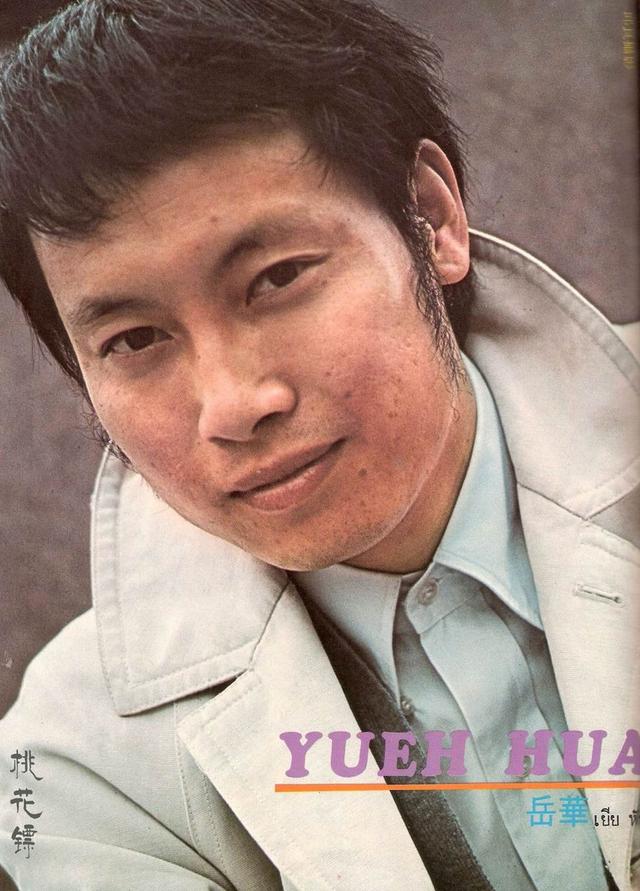
Born: July 13, 1942, in Shanghai, China. His birth name was Leung Lok-wah; audiences also knew him as Elliot Ngok.
Before his Shaw Brothers swordplay roles, Yueh Hua studied flute and conducting at the Shanghai Conservatory of Music. He moved to Hong Kong in 1962 and entered the Southern Acting Training Class in 1963. That musical background was part of a life in performance that eventually encompassed martial arts films, television and the stage.
Martial arts and performance training: Yueh Hua described his training firsthand during a visit to the University of British Columbia. He explained that his generation learned from action choreographers rooted in Chinese opera traditions. This was practical training for screen combat and stunt work. A particular traditional kung fu system or personal lineage has not been established in the sources checked, but his own account documents the physical training behind his performances.
In King Hu’s Come Drink with Me (1966), he played the seemingly carefree Drunken Cat opposite Cheng Pei-pei’s Golden Swallow. During his university visit, he brought the original script he had used on the film and recalled King Hu’s patience in waiting for the right filming conditions. Behind that relaxed-looking swordsman was carefully prepared work.
His Shaw Brothers films included Brothers Five, The Twelve Gold Medallions, Intimate Confessions of a Chinese Courtesan, Killer Clans, The Web of Death and Clans of Intrigue. He could play a composed hero, an ambiguous ally or a dangerous opponent, giving his wuxia characters different personalities rather than relying on swordsmanship alone.
Family and later life: Yueh Hua married actress Tien Ni in 1975. His family settled in West Vancouver in 1989. He told university students that he drove his daughter to and from school through her childhood and later to UBC, where she earned a psychology degree. The familiar screen swordsman was also a father making the daily school run.
He continued to act for film, television and theatre. His later television work included The Gem of Life and Overachievers, and he appeared in a stage production in Toronto in August 2018.
Passed away: October 20, 2018, in Vancouver, Canada, at age 76, following illness. Contemporary reports linked his death to cancer, but described that cause as unconfirmed.
Remembered for: Drunken Cat in Come Drink with Me, the range of his Shaw Brothers performances and a working life that connected Hong Kong cinema with his Canadian home.
Wu Ma (1942–2014)
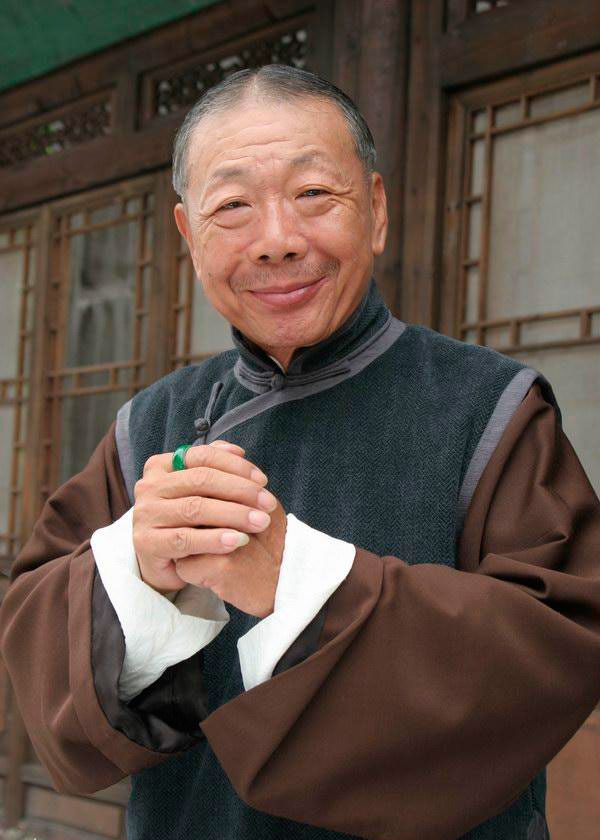
Born: September 27, 1942, in Tianjin, China, according to the Hong Kong Film Archive. His birth name was Feng Hongyuan, also romanized as Fung Wang-yuen.
Wu Ma’s working life began far from film sets. He studied mechanical engineering in mainland China and, after moving to Hong Kong in 1960, found work in a textile factory. He then graduated from the first actor-training class of Shaw Brothers’ Southern Drama Group. The factory worker became an actor, director, screenwriter and producer whose career connected several generations of Hong Kong cinema.
Martial arts and performance training: His documented foundation was the Southern Drama Group’s studio training, followed by decades of work in martial arts productions. The sources checked do not establish a named traditional kung fu system or personal martial arts teacher. His apprenticeship under Chang Cheh was in filmmaking; it should not be presented as a martial arts lineage.
Early appearances included Lady General Hua Mulan, Temple of the Red Lotus and The Thundering Sword. He also learned how films were made from the other side of the camera, assisting Chang Cheh on Golden Swallow and later sharing directing duties on The Water Margin and All Men Are Brothers. His own directing work included Deaf and Mute Heroine.
Later audiences knew him through films with Sammo Hung, Jackie Chan and other leading Hong Kong action performers. His credits included The Prodigal Son, Wheels on Meals, Mr. Vampire, Eastern Condors and Once Upon a Time in China. He also directed The Dead and the Deadly and helped produce The Prodigal Son.
As the bearded ghost hunter Yan Chixia in A Chinese Ghost Story (1987), Wu Ma could be gruff, funny and unexpectedly moving. That performance earned him the Golden Horse Award for Best Supporting Actor and gave generations of viewers a character they would immediately recognize.
Family and later life: He and his wife, Ma Yan, had a daughter. Colleagues remembered his generosity and willingness to help. Eric Tsang recalled that Wu Ma rarely refused when someone needed him. His wife’s tribute described a man who continued finding pleasure in work and family life during his final illness.
Passed away: February 4, 2014, in Hong Kong, at age 71, from lung cancer.
Remembered for: Yan Chixia, his versatility as a character actor and the substantial filmmaking work he contributed behind the camera.
Dean Shek (1949–2021)
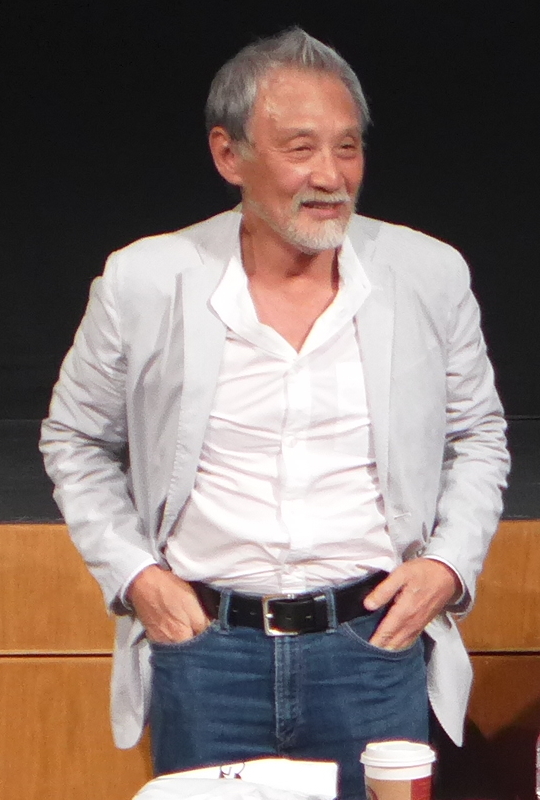
Born: June 17, 1949, in Beijing, China. His birth name was Lau Wai-shing, also romanized as Lau Wai-sing.
Dean Shek moved to Hong Kong at three and entered the Southern Drama Group’s training programme in 1967. He became a Shaw Brothers contract actor in 1969, taking supporting roles and doing Mandarin voice work. The exaggerated expressions that later made him instantly recognizable were only one part of his craft: he was also learning how films were written, directed and sold.
Martial arts and performance training: His established background was Shaw Brothers’ actor training and practical work in martial arts productions. His kung fu comedy demanded physical timing, movement and coordination with action performers. The sources checked do not identify a named traditional martial arts teacher or a specific system he formally studied; his screen roles alone do not establish a kung fu lineage.
He appeared in The Singing Killer and The Delinquent before becoming a familiar comic presence in Snake in the Eagle’s Shadow, Drunken Master, Warriors Two and Odd Couple. His officious, scheming and easily rattled characters gave the heroes someone memorable to outwit as well as outfight.
Building Cinema City: With Karl Maka and Raymond Wong, Shek co-founded Warriors Film in 1979; the company became Cinema City in 1980. He acted, directed and produced, while also handling titles, dialogue and dubbing for Taiwanese releases. His fluency in Mandarin helped the company reach audiences beyond Hong Kong.
Shek also showed a different side in John Woo’s A Better Tomorrow II (1987), playing former gang leader Lung Sei. Away from kung fu comedy, that troubled character gave him room for grief and dramatic intensity. His later work included The Raid, before he largely withdrew from filmmaking in the early 1990s.
Family and later life: He was married to actress Lau Chun-yue and later pursued real estate interests. He returned for a guest appearance in Sammo Hung’s The Bodyguard (2016). When his death became public, Raymond Wong explained that Shek’s sons had returned to Hong Kong to be with him and that the family was respecting his wish for private arrangements.
Passed away: September 20, 2021, in Hong Kong, at age 72, from cancer. This date follows the Hong Kong Film Archive’s biographical record.
Remembered for: His distinctive kung fu comedy, his dramatic turn in A Better Tomorrow II and his work helping build Cinema City.
Lee Hoi-San (1941–2024)
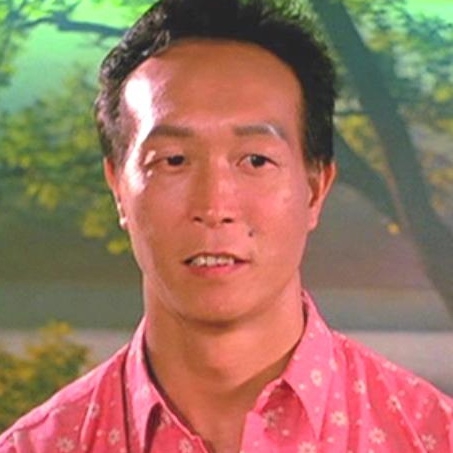
Born: April 15, 1941, in Hong Kong. His name also appears as Lee Hoi-sang.
Lee Hoi-san grew up amid the hardships of wartime Hong Kong. Swimming became a lasting interest, and he developed a strong breaststroke alongside his weight training. In 1963, he placed third overall in the Mr. Hong Kong competition. His imposing screen presence began with years of physical training outside the film industry.
Martial arts training: Lee studied Wing Chun under Jiu Wan (招允, also romanized as Chiu Wan), a student of the legendary Wing Chun master Ip Man. TVB’s account places the start of his kung fu training at around thirty and also records experience with judo. His Wing Chun connection with fellow actor Ti Lung extended beyond film sets: they were kung fu brothers in the same teaching tradition.
Lee was also a working Wing Chun instructor. Grandmaster Benny Meng identifies him as the teacher under whom he began Wing Chun in Hong Kong in 1982, before later studying with Moy Yat. That documented teacher-student relationship gives his martial arts legacy a life beyond the characters he played.
His films included The 36th Chamber of Shaolin, Heroes of the East, The Incredible Kung Fu Master, The Young Master, The Prodigal Son, Project A and Shaolin and Wu Tang. Working alongside Gordon Liu, Sammo Hung, Jackie Chan and Yuen Biao, he became one of the recognizable faces linking Shaw Brothers kung fu films with the action cinema that followed.
Ti Lung helped introduce him to film work. Lee later recalled the satisfaction of completing demanding fights and the repeated rehearsals needed when wasted film meant wasted money. He continued into a long TVB career, playing formidable opponents, monks and, in later years, the familiar security guard Uncle Sun in Come Home Love: Lo and Behold.
Family and final years: He was survived by his wife, two sons and a daughter. His widow described the family’s efforts to obtain treatment after he developed the autoimmune blistering disease pemphigus. Contemporary reports attributed his death to a bacterial infection following that illness.
Passed away: September 9, 2024, in Hong Kong, at age 83.
Remembered for: His Wing Chun teaching, powerful screen fighting and decades of supporting performances in Hong Kong film and television.
Lau Kar-leung (1934–2013)
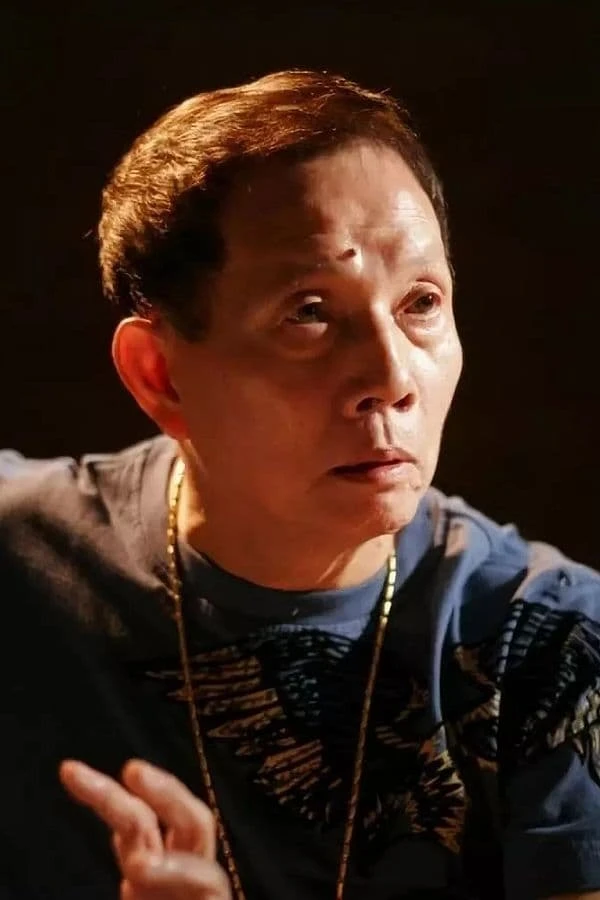
Born: July 28, 1934, in Guangzhou, Guangdong, China, according to the Lau Family Hung Gar account. The Hong Kong Film Archive records a different date, October 6, 1937.
Martial arts training: Lau Kar-leung learned Hung Gar kung fu, also called Hung Kuen or Hung Fist, from his father, Lau Cham, beginning in childhood. His family’s teaching lineage led directly back to the legendary Wong Fei-hung, the real Cantonese martial arts master and folk hero whose legacy inspired generations of kung fu films. Wong Fei-hung taught Lam Sai-wing; Lam taught Lau Cham; Lau Cham trained Lau Kar-leung.
Wong Fei-hung was a towering figure in Hong Kong martial arts cinema. Kwan Tak-hing made him a screen icon long before Jet Li portrayed him in the Once Upon a Time in China films. Lau carried that heritage into Shaw Brothers cinema through Challenge of the Masters and Martial Club, with Gordon Liu as Wong Fei-hung. These stories had a personal foundation: Lau was filming a tradition passed down through his own family’s teachers.
Lau entered films alongside his father and worked in the early Wong Fei-hung pictures. He later formed a major choreography partnership with Tong Kai, helping shape Chang Cheh’s One-Armed Swordsman, Golden Swallow, The Boxer from Shantung and The Blood Brothers. The fighting audiences remembered was the work of people who understood both martial technique and how to present it on camera.
Directing and teaching through film:The Spiritual Boxer (1975) began his Shaw Brothers directing career. His films included Executioners from Shaolin, The 36th Chamber of Shaolin, Heroes of the East, Mad Monkey Kung Fu, My Young Auntie, Legendary Weapons of China and The Eight Diagram Pole Fighter. Training was often part of the story itself: audiences watched students build strength, correct mistakes and learn the responsibility that came with fighting skill.
He directed Jet Li in Martial Arts of Shaolin and later worked with Jackie Chan on Drunken Master II. His final directing credit was Drunken Monkey; he subsequently acted and choreographed in Seven Swords. In 2010, the Hong Kong Film Awards honored him with a Lifetime Achievement Award.
Family and life away from the set: His younger brother Lau Kar-wing also became a martial artist and filmmaker. Lau married Mary Jean Reimer in 1984. Their daughter Jeanne remembered a father who took her to McDonald’s and sang along to Michael Jackson in the car. He also taught her kung fu, beginning with patient work on horse stance. She recalled that he would refuse students who wanted to learn simply to hurt people: character mattered to him as much as ability.
His teaching continued through pupils including Mark Houghton, whose Lau Family Hung Gar work carries the tradition forward. Lau’s legacy survives both in the films collectors return to and in training passed from teacher to student.
Passed away: June 25, 2013, in Hong Kong, following a long battle with lymphatic cancer. The family’s 1934 birth date places him at 78; the Film Archive’s 1937 date accounts for differing ages in published reports.
Remembered for: Preserving Hung Gar on screen, honoring the legacy of the legendary Wong Fei-hung and making the discipline, humor and humanity of kung fu visible in his films.
Ching Li (1945–2017)

Born: October 29, 1945, with family roots in Jinan, Shandong, China. She grew up in Taiwan before moving to Hong Kong.
Ching Li came from an acting family: her father was Ching Miao, the veteran Shaw Brothers actor familiar to collectors as a stern official, patriarch or martial arts elder. She studied at Chu Hai College before beginning her screen career in the 1960s. Her first successes were in romantic dramas, before she became a familiar presence in Shaw Brothers kung fu movies and wuxia films.
Martial arts and performance preparation: The sources checked do not identify a traditional martial arts system or a personal kung fu teacher for Ching Li. Her work in action films should not be used to invent a lineage. There is, however, a specific record of her physical preparation: she learned to row for Ripples (1970), so she could portray her character more convincingly.
Her early dramas included My Dream Boat, Mist Over Dream Lake and When the Clouds Roll By. The last brought her a special award at the seventh Golden Horse Awards. She went on to work repeatedly with Ti Lung and David Chiang in Chang Cheh films including The Anonymous Heroes, Duel of Fists, Four Riders and The Blood Brothers.
Director Chor Yuen gave her another lasting place in martial arts cinema. In films such as Killer Clans, The Magic Blade, Swordsman and Enchantress and Return of the Sentimental Swordsman, she brought warmth and emotional weight to worlds of concealed identities, divided loyalties and swordplay. Her career also included comedies and Taiwanese gambling films.
Life beyond her screen image: Ching Li married Philip Tse and had a son and a daughter. Her longtime friend Helen Ma, who had been her bridesmaid, remembered her as the person who kept their circle laughing. David Chiang likewise recalled her cheerful, outgoing nature. Those memories offer a different glimpse of the actress audiences often saw as a reserved classical beauty.
After Shaolin and Wu Tang (1983) and television work in Taiwan in the mid-1980s, she withdrew from acting. She generally kept her later life private. At her memorial, her children asked friends and admirers to remember her smile.
Passed away: December 9, 2017, in Hong Kong, at age 72, following illness. A specific medical cause was not publicly disclosed in the reports checked.
Remembered for: Her dramatic range, her partnerships with Shaw Brothers’ leading actors and her enduring place in Chor Yuen’s romantic swordplay films.
Li Ching (1948–2018)

Born: November 8, 1948, in Shanghai, China. Her birth name was Li Guoying. She moved to Hong Kong with her family as a child.
Li Ching entered Shaw Brothers’ Southern Drama Group while still at secondary school. Her breakthrough came in The Mermaid (1965), playing both a carp spirit and the young woman whose appearance the spirit assumes. The performance won her Best Actress at the twelfth Asian Film Festival and established the nickname “Baby Movie Queen.”
Martial arts and performance training: Her documented foundation was the Southern Drama Group’s actor training. No reliable source checked identifies a particular traditional kung fu teacher or style. Her action work did involve physical risk: she injured her left foot performing a stunt in Killers Five (1969), and recovery kept her from filming for nearly six months.
Her partnership with Ivy Ling Po was an important part of her early career, including The Mermaid, The West Chamber and The Three Smiles. These huangmei opera films showed a different side of Shaw Brothers from the swordplay and kung fu movies that later reached many international collectors.
Her martial arts credits included The Invincible Fist, Have Sword, Will Travel, King Eagle, The New One-Armed Swordsman and Vengeance of a Snow Girl. She also appeared in contemporary dramas and musicals, moving between costume romance, action and modern characters.
Behind the camera: After leaving Shaw Brothers in 1976, Li Ching worked independently and developed her own production businesses. She co-founded Long Horizon Film with director John Lo Ma and served as executive producer on Chase (1978). Through Million Film, she produced Big Leap Forward and Snake Deadly Act.
Life beyond the screen: Li Ching was close to her mother, who accompanied her on filming trips. A Ming Pao Weekly remembrance described her generosity: after visiting an editor who had undergone surgery, she quietly paid the hospital bill. The deaths of her longtime partner in 1979 and her mother in 1983 were painful losses, and she withdrew from acting in the early 1980s.
Passed away: February 2018, in Hong Kong, at age 69. She was found deceased at home on February 22; contemporary reporting said the medical cause awaited confirmation. That discovery date should not be treated as a confirmed exact date of death.
Remembered for: Her award-winning dual performance in The Mermaid, her partnership with Ivy Ling Po and a career spanning Shaw Brothers stardom and independent film production.
Lily Li (1950–2024)

Born: June 14, 1950, in Hong Kong. She was also credited as Li Li-li or Lee Lai-lai.
Lily Li entered Shaw Brothers’ acting school as a child. Her training included Mandarin, classical and contemporary dance, ballet and martial arts. She grew into a performer capable of playing a lively young heroine, a dangerous opponent or a stern mother, sometimes portraying matriarchs while still remarkably young herself.
Martial arts training: In an interview recalled by am730, Lily described her Shaw Brothers action background as southern-style kung fu. For The Young Master (1980), she learned the northern-style movements required by Jackie Chan’s production. She credited her southern foundation and dancing experience with helping her learn the turns and footwork. These are her documented descriptions of her training; they do not establish a named traditional lineage.
Lily recalled Jackie Chan teaching her the film’s fighting movements and allowing time for practice and rest. Her long skirt made the work particularly demanding: she had to kick, turn and keep the movement graceful without stepping on the fabric. She also described Lau Kar-leung’s emphasis on solid fundamentals. Her account makes clear how much rehearsal lay behind a few seemingly effortless moments on screen.
The Wandering Swordsman (1970), opposite David Chiang, brought her wider recognition. Her films included The Heroic Ones, The Delinquent, The Bastard, One Foot Crane and The Loot. She could be vulnerable without seeming helpless, and convincing as an opponent as well as a heroine.
Working with Lau Kar-leung: In Executioners from Shaolin, she played opposite Chen Kuan-Tai, bringing humor and a formidable physical presence to their marriage scenes. She also appeared in Shaolin Mantis and The Eight Diagram Pole Fighter. These collaborations became an important part of her place in classic Shaw Brothers kung fu cinema.
Later life and television: Lily built a second long career with Hong Kong broadcasters, including more than three decades at TVB. Viewers knew her through series such as Demi-Gods and Semi-Devils and Beyond the Realm of Conscience. She retired from TVB in 2020. In interviews about her private life, she spoke positively about remaining single and did not regard marriage as a requirement for a fulfilling life.
Passed away: October 27, 2024, in Hong Kong, at age 74, from lung cancer.
Remembered for: Her expressive action performances, demanding screen fighting and the strong women she portrayed across decades of film and television.
Chin Ping (1949–2017)
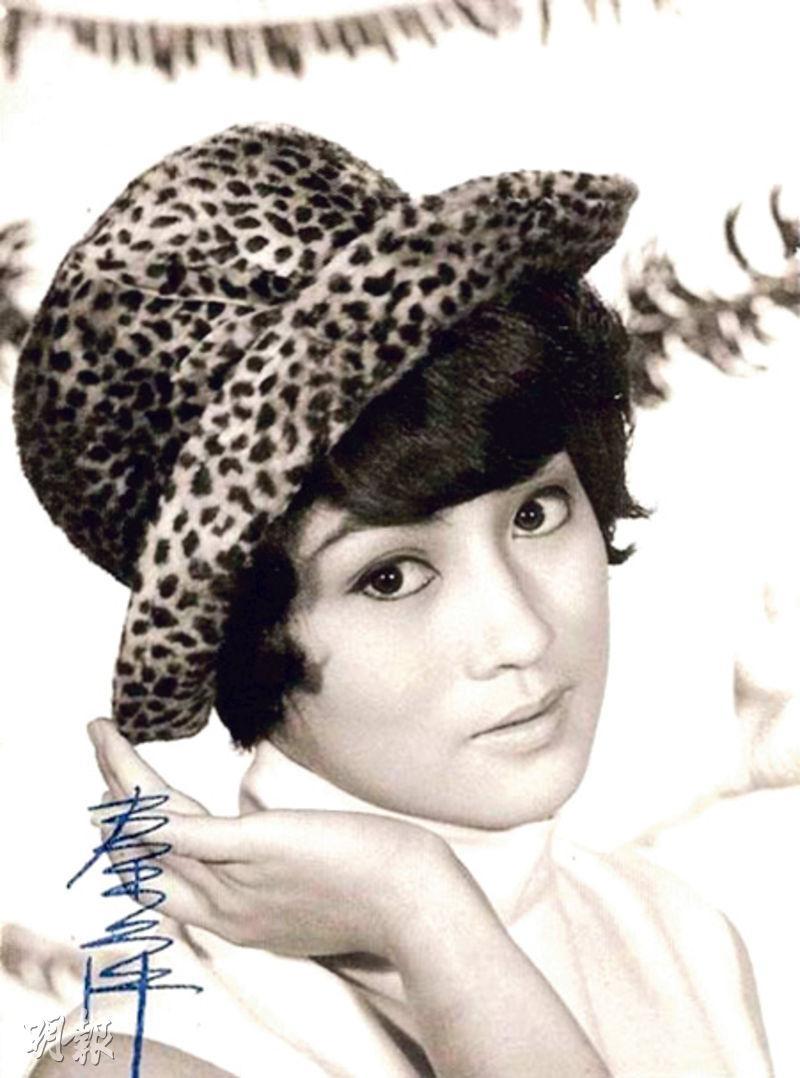
Born: May 3, 1949, in Beijing, China. Her birth name was Chan Siu-ping, also romanized as Chen Xiaoping. She moved to Hong Kong as a child.
Training and early life: Chin Ping joined Shaw Brothers’ Southern Drama Group and was selected for further performing arts study at Japan’s Toho Performing Arts School, with the studio sponsoring her training. That overseas preparation was an important part of her development as a performer. The sources checked do not identify a specific traditional martial arts style or personal kung fu teacher, so her swordplay roles are recorded separately from her documented education.
She attracted attention alongside Li Ching and Ivy Ling Po in The Crimson Palm (1964). Studio colleagues affectionately called her “Little Apple”, a nickname inspired by her round face. Her film career lasted only about seven years, yet she made more than twenty pictures and became one of the recognizable young stars of Shaw Brothers’ 1960s cinema.
Her swordplay films included Temple of the Red Lotus, The Twin Swords, The Sword and the Lute, The Trail of the Broken Blade and The Bells of Death. In The Twelve Gold Medallions (1970), she starred with Yueh Hua and Chiao Chiao. Hong Kong Memory records the film as the year’s second-highest-grossing release, a significant success near the end of her screen career.
Chin Ping was also a musical performer. In Hong Kong Nocturne (1967), she starred with Cheng Pei-pei and Lily Ho as sisters performing on Hong Kong’s nightclub circuit. The film gives collectors another way to appreciate her work beyond the swords and period costumes of her wuxia roles.
Life after films: After The Price of Love, she retired around 1970, married Kwok Chi-pan and moved to the United States. She returned to Hong Kong in 1976 and generally kept out of public life. She still maintained ties with former colleagues, appearing backstage with old friends during Ivy Ling Po’s Hong Kong performances in 2014.
Passed away: September 6, 2017, in Hong Kong, at age 68. Helen Ma confirmed the date and said Chin Ping had been ill, while declining to name the illness. Some contemporary reports attributed her death to cancer; that detail was not specified in Celestial Pictures’ tribute.
Remembered for: Her early Shaw Brothers swordplay heroines, musical performances and a brief screen career that left an enduring group of films.
Cheng Pei-pei (1946–2024)

Born: January 6, 1946, in Shanghai, China.
Dance and martial arts training: Cheng Pei-pei studied ballet and traditional Chinese dance before joining Shaw Brothers’ acting programme in 1963. She described herself as a dancer who initially knew nothing about kung fu. For King Hu’s Come Drink with Me (1966), her movement training became the foundation for painstakingly rehearsed screen combat, with action choreography by Han Ying-chieh. Her documented background was dance and training for film, rather than an established traditional kung fu lineage.
As Golden Swallow, she gave Shaw Brothers an enduring swordswoman: composed, observant and capable of commanding a room before drawing a blade. Her films included Golden Swallow, Dragon Swamp, The Flying Dagger, Brothers Five, The Shadow Whip and The Lady Hermit. Her work helped establish her reputation as the “Queen of Swords.”
Cheng said swords were her preferred weapons because they allowed agility. She also recalled the dangers behind the graceful image: a window-jump stunt left her unconscious, and on coming round she wanted to know whether the camera had captured the shot.
Family and later career: She moved to America to marry and raise her four children, Eugenia, Jennifer, Marsha and Harry. She later returned to prominent roles, including Flirting Scholar and Jade Fox in Ang Lee’s Crouching Tiger, Hidden Dragon (2000). In Lilting (2014), she played a grieving mother, showing audiences the dramatic range beyond her action reputation.
She remained closely connected to King Hu’s legacy and spoke about their work at screenings and masterclasses. In later interviews, she emphasized helping her children pursue their own dreams.
Passed away: July 17, 2024, at home in the San Francisco Bay Area, at age 78. Her family said she had been diagnosed in 2019 with a neurodegenerative atypical parkinsonism syndrome, described as probable corticobasal degeneration. Her brain was donated for medical research.
Remembered for: Golden Swallow, Jade Fox and the strength, precision and emotional depth she brought to women in martial arts cinema.
Linda Lin Dai (1934–1964)

Born: December 26, 1934, in Binyang, Guangxi, China. Her birth name was Cheng Yueru, also romanized as Cheng Yueh-ju. Her father was the politician Cheng Siyuan.
Lin Dai spent her childhood in several Chinese cities before moving to Hong Kong in 1948. After joining Great Wall and then Yung Hwa, she became a star with Singing Under the Moon (1953). Her career crossed studio boundaries: she worked for Yung Hwa, MP & GI and Shaw Brothers, becoming one of Mandarin-language cinema’s most celebrated leading women.
Performance and martial arts background: Her achievements lay principally in acting, musical performance and period drama. The sources checked do not establish a named martial arts teacher or traditional fighting system. She did play a martial heroine in Meng Lisi, Maid of the Jungle (1961), but that role alone does not establish personal kung fu training.
Her four Asian Film Festival Best Actress awards recognized Golden Lotus, Diau Charn, Les Belles and Love Without End. Golden Lotus was an MP & GI production; the other three were Shaw Brothers films. Her range extended from the historical worlds of The Kingdom and the Beauty and Madam White Snake to contemporary romance and comedy.
Lin Dai also contributed to what audiences saw beyond her performance: she designed costumes for Love Parade (1963), in which she acted and danced. That creative involvement adds another dimension to the glamorous image preserved in her films.
Family and legacy: She married Lung Shun-shing and had a son, Lung Tzong-hann. After her death, her husband kept their bedroom furnishings and her possessions undisturbed for more than forty years. Their son later donated personal belongings to the Hong Kong Film Archive, allowing an exhibition to reunite her costumes, photographs, trophies and everyday objects with her screen work.
Passed away: July 17, 1964, in Hong Kong, at age 29. Her death was reported as suicide. Films released after her death, including The Blue and the Black, preserved performances she never saw reach audiences.
Remembered for: Four Best Actress awards, remarkable dramatic versatility and a major place in Shaw Brothers and Mandarin-language film history.
Betty Loh Ti (1937–1968)

Born: July 24, 1937, in Shanghai, China. Her birth name was Xi Zhongyi.
The youngest of six, her nickname “Sixth Brother” inspired her stage name. Her grandfather Gu Zhuxuan owned Shanghai’s Tianchan Theatre. She grew up watching and imitating Peking opera actresses. Orphaned young, she moved to Hong Kong with her grandmother in 1949.
Performance and action preparation: No traditional kung fu system or teacher was established in the sources checked. For Travel with a Sword (1968), she specifically trained in horse riding to portray an accomplished mounted swordswoman.
She debuted in Great Wall’s The Peerless Beauty (1953), joining Shaw Brothers in 1958 and becoming known as the “Classic Beauty.” Her films included The Enchanting Shadow (1960), Dream of the Red Chamber (1962) and The Love Eterne (1963). Playing Zhu Yingtai opposite Ivy Ling Po in the last film brought her the Golden Horse Award for Best Actress.
After moving to MP & GI, she co-founded Golden Eagle Film Company in 1967 with her brother, actor Kelly Lai Chen, and director Yuan Qiufeng. Her swordplay films included Duel at the Supreme Gate and The Wandering Swordsman, both released in 1968.
Family: She married Peter Chen Ho in 1962; they divorced in 1967.
Passed away: December 27, 1968, in Hong Kong, at age 31, following an overdose of sleeping medication.
Remembered for: Zhu Yingtai in The Love Eterne, her expressive period performances and her initiative as a co-founder of Golden Eagle.
Yuen Siu-tien (1912–1979/1980)
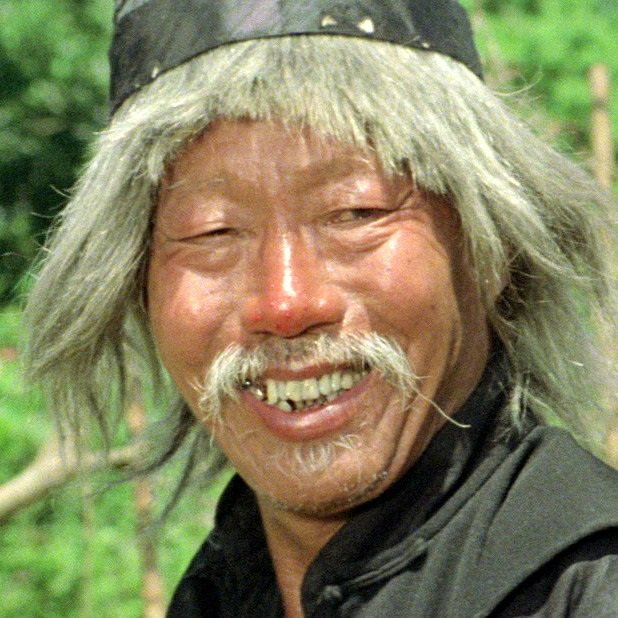
Born: November 27, 1912, in Beijing, China. He was also known as Simon Yuen and Yuan Xiaotian.
Martial arts training: Yuen Siu-tien’s foundation was Peking opera and northern-style martial arts, combining acrobatics, weapons and stage combat. His son Yuen Woo-ping confirmed learning northern methods from him.
He worked in opera and early Hong Kong films, later introducing his children to film sets. Yuen Woo-ping remembered that his father also taught them classical texts, including the Three Character Classic, alongside their martial practice.
In Snake in the Eagle’s Shadow and Drunken Master (both 1978), directed by Yuen Woo-ping, he became Jackie Chan’s mischievous screen teacher. Story of Drunken Master and Dance of the Drunk Mantis continued that screen tradition.
Family and legacy: His filmmaking sons included Yuen Woo-ping, Yuen Cheung-yan, Yuen Shun-yi and Yuen Yat-chor. Woo-ping credited his father with teaching him to put performers’ safety before a dangerous shot.
Passed away: In Hong Kong. Published records conflict: many English references give January 8, 1979; Chinese accounts give December 17, 1980. December 1980 reporting mentions lung cancer; other accounts give a heart attack. The date and cause remain disputed.
Remembered for: Beggar So, his northern martial arts background and the teaching legacy behind the Yuen family’s action cinema.
Bruce Lee (1940–1973)

Born: November 27, 1940, in San Francisco, California. His Chinese name was Lee Jun-fan; Hong Kong audiences knew him as Lee Siu-lung.
Bruce Lee grew up in Hong Kong in a performing family. His father, Lee Hoi-chuen, worked in Cantonese opera and films, and Bruce appeared on screen as a child. Long before his famous kung fu movies, he was learning how to carry a scene, dance and perform for a camera. He won Hong Kong's cha-cha championship in 1958 and also competed in school boxing.
Martial arts training: At thirteen, he began studying Wing Chun under Ip Man, also known as Yip Man. That foundation remained important as he questioned fixed methods and tested his ideas through teaching and practice. He called his early teaching Jun Fan Gung Fu and later named his personal martial expression Jeet Kune Do, the Way of the Intercepting Fist, in 1967.
Jeet Kune Do placed emphasis on interception, simplicity, directness and freedom of movement. Lee wanted a practitioner to respond to the person in front of them rather than force a situation into a rigid pattern. His physical training and philosophical writing were parts of the same lifelong study.
Life before international stardom: Returning to America in 1959, he worked in Seattle, continued his education and attended the University of Washington. Teaching supported him, and his schools eventually connected Seattle, Oakland and Los Angeles. He married Linda Emery in 1964; their children were Brandon and Shannon.
American television viewers first came to know him as Kato in The Green Hornet. Leading roles remained difficult to obtain in Hollywood, but Hong Kong offered a different opportunity. The Big Boss, Fist of Fury and The Way of the Dragon made him a major star. As writer and director of The Way of the Dragon, he also shaped the stories and action himself. Enter the Dragon carried that work to a worldwide audience.
Passed away: July 20, 1973, in Hong Kong, at age 32, from cerebral edema. He died before the release of Enter the Dragon.
Remembered for: His Wing Chun roots, Jeet Kune Do, his work as a teacher and the personal force he brought to classic martial arts films. Behind the familiar screen image was a father, husband and working martial artist who kept questioning how he could improve.
Toshiro Mifune (1920–1997)

Born: April 1, 1920, in Qingdao, China, to Japanese parents. He spent his early years in China, where his father operated a photography business.
Before he became one of the best-known faces in Japanese samurai movies, Toshiro Mifune worked around his father's camera equipment and photographic studio. During the Second World War, he served in an aerial photography unit. His first ambition after the war was to find work behind the camera, continuing a skill he already understood.
A visit to Toho led instead to an acting audition. He entered the studio's postwar generation of performers and appeared in Snow Trail in 1947. His first film with Akira Kurosawa, Drunken Angel in 1948, began a partnership that eventually produced sixteen films. The photographer's son became an actor whose smallest movement could change the mood of a scene.
Martial arts and sword training: Mifune received film sword instruction from Yoshio Sugino, a master of Tenshin Shoden Katori Shinto-ryu. For Seven Samurai, Sugino taught the principal actors weapon handling, basic sword movements, posture and the bearing of a swordsman. Their work together continued on films including Yojimbo. Sugino's account describes careful work on balance, posture and economical movement, giving a specific teacher and tradition behind Mifune's screen swordsmanship.
His performances covered very different men: the restless Kikuchiyo in Seven Samurai, the calculating wandering swordsman of Yojimbo and Sanjuro, and Miyamoto Musashi in Hiroshi Inagaki's Samurai Trilogy. Rashomon, Throne of Blood, High and Low and Red Beard also showed how far his work extended beyond sword fighting.
Later career: He established Mifune Productions and took roles outside Japan as well as at home. His own company's history records Best Actor honours at Venice for Yojimbo and Red Beard. For collectors, his films offer both Japanese swordplay and character acting built from careful physical preparation.
Passed away: December 24, 1997, in a hospital in Mitaka, Tokyo, at age 77, from multiple organ failure, as recorded by Mifune Productions.
Remembered for: His collaboration with Kurosawa, his sword work with Sugino and the humour, anger and vulnerability he brought to characters who remain central to samurai cinema.
Sonny Chiba (1939–2021)

Born: January 22, 1939, in Fukuoka, Japan. His birth name was Sadaho Maeda, and he worked in Japan as Shinichi Chiba.
Before entering films, Sonny Chiba was a gifted gymnast. He studied at Nippon Sport Science University and hoped to compete at Olympic level, but injuries interrupted that ambition. The strength, balance and body control developed through sport later became part of his screen fighting. Toei's talent programme opened the way into television and film at the beginning of the 1960s.
Martial arts training: Chiba studied Kyokushin karate under Masutatsu “Mas” Oyama, receiving his first-degree black belt in 1965. His wider training included judo, kendo and ninjutsu. Karate was a substantial part of his life outside filmmaking, and he later portrayed his own teacher in Champion of Death, Karate Bearfighter and Karate for Life.
The Street Fighter in 1974 made him an international cult favourite. His mercenary antihero fought with an abrupt, punishing force that gave Japanese karate movies a different screen personality from the Hong Kong kung fu films circulating at the same time. Sequels followed, while his work with director Kinji Fukasaku included Hiroshima Death Match and Doberman Cop.
Teaching the next generation: In 1970 he founded the Japan Action Club, preparing actors and stunt performers for the physical demands of filmmaking. Hiroyuki Sanada was among the performers he trained. Chiba's work as a teacher helped carry his approach to action beyond the films in which he personally appeared.
Later viewers encountered him as the swordsmith Hattori Hanzo in Kill Bill: Volume 1 and as Kamata in The Fast and the Furious: Tokyo Drift. His screen family also continued into another generation: his children Juri Manase, Mackenyu and Gordon Maeda became actors.
Passed away: August 19, 2021, in Chiba Prefecture, Japan, at age 82, from complications of COVID-19.
Remembered for: His Kyokushin training, the Street Fighter films and his commitment to teaching action performers. His legacy belongs as much to the students he prepared as to the formidable fighters he played.
Biographical sources
Anita Mui (1963–2003)

Born: October 10, 1963, in Hong Kong. Her name was Mui Yim-fong, and colleagues and admirers affectionately called her Mui Jeh.
Anita Mui began earning money through performance when she was only four and a half, singing at Lai Chi Kok Amusement Park. She left school during her junior-secondary years to sing full-time. The years before fame were years of work, helping support her family rather than preparing for a comfortable show-business career.
Winning the New Talent Singing Awards in 1982 changed her opportunities. Her distinctive voice and stage presence made her one of Hong Kong's leading singers, while her changing costumes and images became closely connected with designer Eddie Lau. That same command of an audience carried into her acting.
Martial arts and performance background: Mui's established foundation was singing, dance and stage performance. Her action roles involved movement and preparation for the camera, but the biographical sources used here do not identify a traditional kung fu teacher, named fighting style or formal martial arts rank. Her screen work deserves recognition without assigning her an unsupported lineage.
Hong Kong action-film fans remember her in The Heroic Trio, The Magic Crane and Rumble in the Bronx. In Drunken Master II, alongside Jackie Chan and Ti Lung, she played Wong Fei-hung's resourceful stepmother. Her timing and force of personality made the character memorable alongside the film's demanding kung fu sequences.
Her dramatic career was equally significant. Rouge brought Best Actress recognition from the Golden Horse Awards, Hong Kong Film Awards and Asia Pacific Film Festival. Behind the Yellow Line, Eighteen Springs and July Rhapsody showed further sides of a performer whose career cannot be contained within one kind of film.
Life beyond the screen: Mui supported charitable and humanitarian causes. During her final illness, she still performed her 2003 concerts. The white wedding gown created for those appearances is preserved by the Hong Kong Heritage Museum, a reminder of her attachment to the stage and the audiences who had grown up with her.
Passed away: December 30, 2003, in Hong Kong, at age 40, from cervical cancer.
Remembered for: Her voice, dramatic and comic performances, generosity and place in Hong Kong popular culture. Her contribution to martial arts cinema was one part of a much larger working life.
Carl Scott (1961–2025)

Born: 1961. Carl Scott was an American martial artist who entered Hong Kong filmmaking while still a teenager.
His route into kung fu movies began with training rather than an acting school. He had practised martial arts from childhood when he appeared as an extra in Bruce Lee: The Man, the Myth in 1976. Producer Pal Ming, also credited as Pao Ming, noticed his ability and arranged for him to travel to Hong Kong to prepare for a larger role.
Martial arts training: Scott studied Kenpo Karate through the Black Karate Federation. His official website identifies Sijo Steve Muhammad, Grandmaster Robert Temple and Donnie Williams in his training background. This was real instruction before and beyond his screen roles. His later fighting system, Warrior Method, grew out of his continuing martial arts work.
His official filmography records a detail that puts his early career in perspective: he was only fifteen when he first went to Hong Kong to train, and his mother wanted him back in America for school. Behind the confident fighter on screen was a young person balancing an extraordinary opportunity with an ordinary school year.
In Soul Brothers of Kung Fu, released in 1977 and also known as The Last Strike, he worked with Bruce Li, Lo Meng and Ku Feng. His speed and ease with Hong Kong choreography gave him a distinctive place among the American performers appearing in martial arts films of that period.
He then partnered Billy Chong in Sun Dragon, also released as A Hard Way to Die, and Kung Fu Executioner. The first brought a screen confrontation with martial artist Louis Neglia; the second also displayed Scott's weapons work, particularly with the nunchaku. His official biography remembered the lasting friendship between Scott and Chong after their two films together.
After films: His acting career was brief, but his martial arts work continued. He developed and taught Warrior Method, carrying his experience into instruction rather than making filmmaking the whole of his identity.
Passed away: May 29, 2025, in Los Angeles, California. The public tributes reviewed do not establish a cause of death.
Remembered for: His Kenpo background, fast screen fighting, teaching and the important place he holds among Black martial artists in Hong Kong cinema.
Norman Chu Siu-Keung (1950–2024)
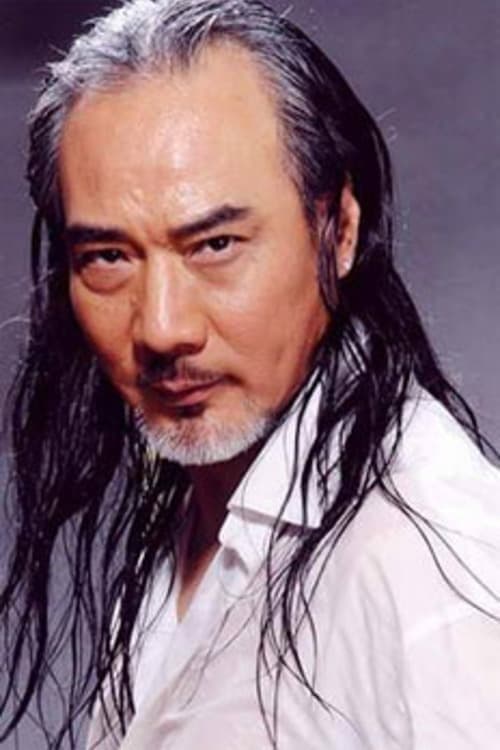
Born: October 16, 1950. Known as Norman Chui, Norman Chu, Tsui Siu-keung and Xu Shaoqiang, he grew up and attended school in Hong Kong's Sham Shui Po district.
Before Shaw Brothers, he worked in banking, including debt collection and accounts. The prospect of a conventional office career did not hold him, and in 1972 he entered the studio's third training class. That move began a working life in film and television that lasted more than fifty years.
Martial arts and performance training: His documented preparation was the Shaw Brothers actor-training programme and the practical demands of stunt and action work. The sources reviewed do not establish a particular traditional kung fu school, personal sifu or formal rank. His considerable experience with weapons and screen combat should be credited without turning the fighting styles of his characters into claims about his own lineage.
Television helped make him a leading man. Work for Rediffusion Television, later ATV, brought him to a wider audience, and Reincarnated in 1979 became one of his best-known series. The swordplay hero audiences saw on television also became a familiar presence in classic Hong Kong wuxia movies.
His film work included Clan of Amazons, The Challenger and The Loot. In Bastard Swordsman he played a young man whose identity and training become central to the story. In Duel to the Death, he faced a Japanese swordsman in a very different treatment of honour and rivalry. Those two 1983 films remain important examples of his appeal to martial arts movie collectors.
He later took on more villainous roles, including appearances in King of Beggars and Wing Chun. As Hong Kong production changed, he worked increasingly in mainland China and continued appearing in films and television into his later years. His career moved between youthful swordsmen, powerful opponents and older authority figures.
Passed away: September 1, 2024, in Beijing, at age 73, from oesophageal cancer. Longtime colleague Tenky Tin Kai-man confirmed the news publicly.
Remembered for: Reincarnated, Bastard Swordsman, Duel to the Death and decades of Hong Kong and Chinese screen work. His intense presence gave collectors memorable heroes as well as formidable villains.
Fung Hak On

Born: 1948. Fung Hak-on grew up in a large performing family, the son of actor and director Fung Fung. Actresses Fung So-po and Fung Bo-bo were his sisters.
His life before Shaw Brothers was already tied to performance. He appeared as a child in films directed by his father and also worked in Chinese opera. Years around film sets preceded the familiar villainous roles of his adult career. Later, father and son appeared together in films including The Young Master.
Martial arts training: Contemporary Hong Kong reporting records that Fung studied White Crane boxing and Baguazhang, also called Bagua Palm. He also had opera-performance training and worked in Lau Kar-leung's action team. These are documented parts of his background; a personal teacher or formal rank for each traditional style has not been established here.
At Shaw Brothers he appeared in Chang Cheh's films, including Vengeance!, and built a reputation as a convincing screen opponent. His work with Sammo Hung and Jackie Chan subsequently connected him with another generation of Hong Kong action filmmaking. Warriors Two, The Young Master, Dragon Lord and Police Story represent only part of that work.
He was also a writer, director and action choreographer. His contribution often took place away from the most prominent position on a poster: planning fights, helping other performers and making an opponent's movements convincing. Contemporary tributes remembered his willingness to teach younger colleagues.
Later audiences saw him as one of the musician assassins in Kung Fu Hustle and as a Bagua master in Ip Man 2. His traditional training and decades of film experience gave those brief appearances a history reaching back to the older Hong Kong studios.
Family and remembrance: At his funeral, relatives and fellow filmmakers contributed personal tributes. His sister Fung Bo-bo remembered a generous, playful older brother; the tenderness of that family memory offers another view of a man so often cast as a dangerous opponent.
Passed away: March 2, 2016, in Hong Kong, from oesophageal cancer. His sister Fung Bo-bo confirmed his death.
Remembered for: His White Crane and Bagua background, sharp screen fighting and substantial work teaching, choreographing and supporting generations of Hong Kong action performers.
Wong Yu

Born: 1955, in Hong Kong. His birth name was Wong Chi-kuen. Also credited as Wong Yue or Wang Yu, he was a different actor from Jimmy Wang Yu.
Wong Yu entered films as a teenager and signed with Shaw Brothers in 1972. An early opportunity came in director Li Han-hsiang's Facets of Love, released in 1973. The director also became his godfather. His first steps into the studio therefore involved acting and personal mentorship before the kung fu comedy roles for which collectors know him best.
Martial arts training: Wong Yu became a pupil of Lau Kar-leung, the Hung Gar master and action filmmaker. Contemporary accounts identify their teacher-student relationship, rather than merely listing Lau as a director he worked with. His development belonged to the working environment of Lau's films, where timing, coordination and believable exchanges were practised for the camera. A precise traditional rank or teaching qualification is not established in these accounts.
The Spiritual Boxer in 1975 gave him his breakthrough. His lively young trickster brought humour into a kung fu story without removing the skill from its fights. Hong Kong Memory notes how his ordinary, small-time characters helped move Shaw Brothers martial arts movies beyond the familiar model of the imposing heroic swordsman.
His partnership with Gordon Liu in Dirty Ho remains a strong example of that combination of personality and physical timing. His other films included Executioners from Shaolin, The 36th Chamber of Shaolin, Spiritual Boxer II, Kid from Kwantung and The Eight Diagram Pole Fighter. Work with Gordon Liu, Alexander Fu Sheng and Lau's filmmaking circle placed him in a group central to classic Shaw Brothers kung fu cinema.
Later life: His work extended into television and behind-the-camera action duties. Family ties also connected him with action director Ching Siu-tung, his brother-in-law, who handled his funeral arrangements and spoke publicly following his death.
Passed away: May 15, 2008, in Hong Kong. Contemporary reporting quoted Ching Siu-tung identifying hepatitis as the cause.
Remembered for: His work with Lau Kar-leung, his comic partnership with Gordon Liu and the quick, resourceful young fighters he brought to Shaw Brothers films.