

Collection: What Are the Legendary Kung Fu Movie Stars Doing Now?
If you grew up watching classic kung fu movies, you have probably wondered what happened to the stars you watched over and over again. We remember them from the old Shaw Brothers movies, Hong Kong martial arts films and Japanese action movies. But where did they come from, how did they learn to fight, and what happened after the cameras stopped rolling?
I wanted this page to go deeper than a list of names. These were real people with different backgrounds. Some trained in Chinese Opera, some learned martial arts from teachers or family, and some became skilled performers through years of film work. The martial arts they studied in real life are just as interesting as the characters they played.
Here is a look at the stars who helped make Shaw Brothers cinema, Hong Kong kung fu movies and Japanese martial arts films what they are today.
TI LUNG

Ti Lung was born in Hong Kong and came into the Shaw Brothers system in a way that sounds almost too simple today: he saw an advertisement for the studio's acting course and went to try out. After finishing the course, he landed a small part and caught Chang Cheh's attention.
Real-life martial arts: Ti Lung did not rely on looks alone. He studied Wing Chun under Jiu Wan and later trained in other areas including judo, Muay Thai, taekwondo and wushu. That combination of physical strength, footwork and discipline helped make him one of Chang Cheh's ideal leading men.
His partnership with David Chiang became one of the defining pairings of 1970s Shaw Brothers cinema. After leaving the studio, Ti Lung rebuilt his career in modern Hong Kong films, especially after his role in A Better Tomorrow. He continued acting for decades and remains one of the great living links to the Shaw Brothers era.
DAVID CHIANG

David Chiang became one of the most recognizable stars of the Shaw Brothers era. He began acting as a child and later worked as a martial arts stuntman and fight instructor before director Chang Cheh gave him leading roles.
Real-life martial arts: After his biggest Shaw Brothers years, Chiang continued working in Hong Kong film and television and also directed and produced. His career expanded beyond the classic kung fu roles that first made him famous.
His quick, athletic fighting style became a major part of his screen image. He starred with Ti Lung in classic films including Vengeance!, The Blood Brothers and The New One-Armed Swordsman.
David Chiang remains an important figure in classic kung fu movies, Shaw Brothers cinema and Hong Kong martial arts films, with acting work continuing into recent years.
GORDON LIU

Gordon Liu was born in Guangdong and grew up in Hong Kong. As a boy he became fascinated with kung fu and secretly trained because his parents did not want him studying martial arts. He eventually trained at the school of Lau Cham, learning the Hung Gar tradition connected to the Lau family.
Real-life martial arts: He later became closely connected with Lau Kar-leung and entered the movie business. His training was real, and that mattered when he was asked to perform the demanding movements and weapons work that became a trademark of his films.
Then came The 36th Chamber of Shaolin. Gordon shaved his head and played San Te, and the movie turned him into an international kung fu star. His later appearance as Pai Mei in Kill Bill introduced him to another generation. After suffering a stroke in 2011, Gordon stepped away from acting and has lived a much quieter life.
Reliable public information about this performer's later life is limited, so I have not added an unverified death date or claim.
LO MENG
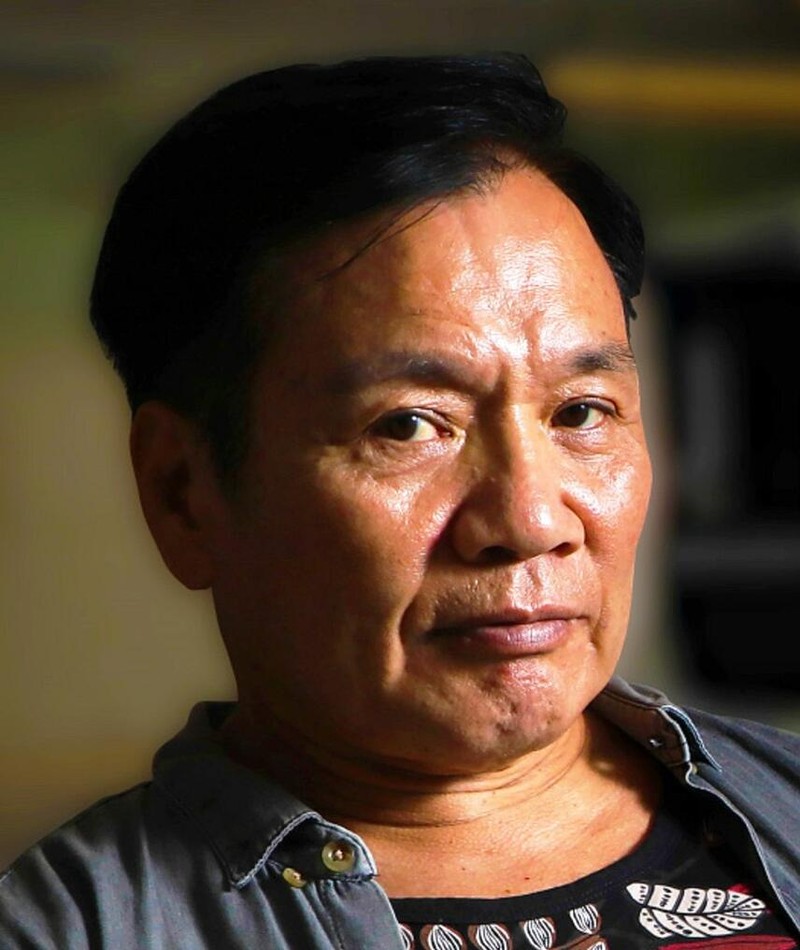
Lo Meng was born in Hong Kong and became one of the most physically impressive performers in the Shaw Brothers stable. He trained in Taijiquan and spent more than a decade studying Chu Gar Tong Long Southern Praying Mantis.
Real-life martial arts: Before becoming a major star, Lo worked at Chang Cheh's film company in Taiwan. His powerful build and martial arts ability eventually got him noticed, and he entered the Shaw Brothers world in the 1970s.
As the Toad in The Five Deadly Venoms, he became one of the faces of the Venom Mob. He continued acting after Shaw Brothers and has also worked in television and action choreography. He has even developed a strong comedy side to his later acting.
Reliable public information about this performer's later life is limited, so I have not added an unverified death date or claim.
HSIAO HO

Hsiao Ho, also known as Hsiao Hou, was born in Meixian District, Guangdong, and was raised in the demanding world of Chinese opera. As a child he trained in Beijing Opera under Fan Kuk-Fa, learning the acrobatics and stage movement that later made him so exciting to watch.
Real-life martial arts: That training led directly to Mad Monkey Kung Fu, where his speed, balance and acrobatics made him stand out. He later worked as an actor, stuntman, action director and choreographer and appeared in films such as Legendary Weapons of China, My Young Auntie and Disciples of the 36th Chamber.
Reliable public information about this performer's later life is limited, so I have not added an unverified death date or claim.
KUO CHUI / PHILIP KWOK

Philip Kwok, better known to many fans as Kuo Chui, was born in Taipei. He trained at the Fu Sheng School, where he studied northern-style kung fu and Taiwanese opera. He also spent time performing as a street acrobat.
Real-life martial arts: Kwok had lost two fingers on his left hand in an accident when he was young, but that did not stop him from training. Chang Cheh saw him performing in Taiwan and recognized that he had the athletic ability and screen presence needed for the new generation of Shaw Brothers fighters.
He became one of the most recognizable Venoms, often playing the hero while also doing his own demanding action work. Later he worked as an action director and stuntman and became internationally familiar again as Mad Dog in John Woo's Hard Boiled.
Reliable public information about this performer's later life is limited, so I have not added an unverified death date or claim.
LU FENG

Lu Feng was born in Taiwan in 1956 and became one of the most recognizable members of the Venom Mob at Shaw Brothers. Fans remember him as the Centipede in The Five Deadly Venoms, but there was much more to his story than that famous role.
Real-life martial arts: Lu began training when he was only eight years old at the army-affiliated Junior Lu Guang Drama School in Taiwan. He learned martial arts and acrobatics there, and that training eventually led to work as a stunt performer. His physical ability caught the attention of director Chang Cheh, who brought him into his group of young Taiwanese performers.
Lu started getting acting opportunities in Chang Cheh's films in the mid-1970s. He became part of the same circle that included Chiang Sheng, Philip Kwok, Sun Chien and Lo Mang. When Chang moved his operation to Shaw Brothers in Hong Kong, Lu went with him.
Lu Feng is living, with no reliable death record found in the sources reviewed. His career is a good example of how the old Shaw Brothers stars were often more than actors. Many of them were trained performers, stuntmen, weapons specialists and action choreographers.
SUN CHIEN

Sun Chien was born in Taiwan and lost both parents while he was still young. He was raised by his two sisters. His martial arts background developed through Taekwondo, including training connected with the military.
Real-life martial arts: Reliable biographies do not clearly document a specific formal martial arts style or teacher, so I have not assigned one without evidence.
In 1976, Chang Cheh was looking for new talent in Taiwan for Chinatown Kid. Sun was selected from a large group of competitors and made his way into the Hong Kong film industry.
His speed and kicking ability made him a natural fit for Chang Cheh's action movies. He became the Scorpion in The Five Deadly Venoms, later worked as an action director and assistant director, and eventually retired from acting in the early 1990s.
WEI PAI

Wei Pai, also known as Wai Pak or Pai Wei, became famous as the Snake in The Five Deadly Venoms. He was not used in exactly the same way as the other core Venoms, and his film career included more dramatic and character work than some of his fellow fighters.
Real-life martial arts: Reliable biographies do not clearly document a specific formal martial arts style or teacher, so I have not assigned one without evidence.
He appeared in several Chang Cheh productions, including Invincible Shaolin, Kid with the Golden Arm and Ten Tigers of Kwangtung. His quieter style gave the Venom films another kind of performer beside the acrobats and weapons specialists.
Reliable public information about this performer's later life is limited, so I have not added an unverified death date or claim.
ANGELA MAO
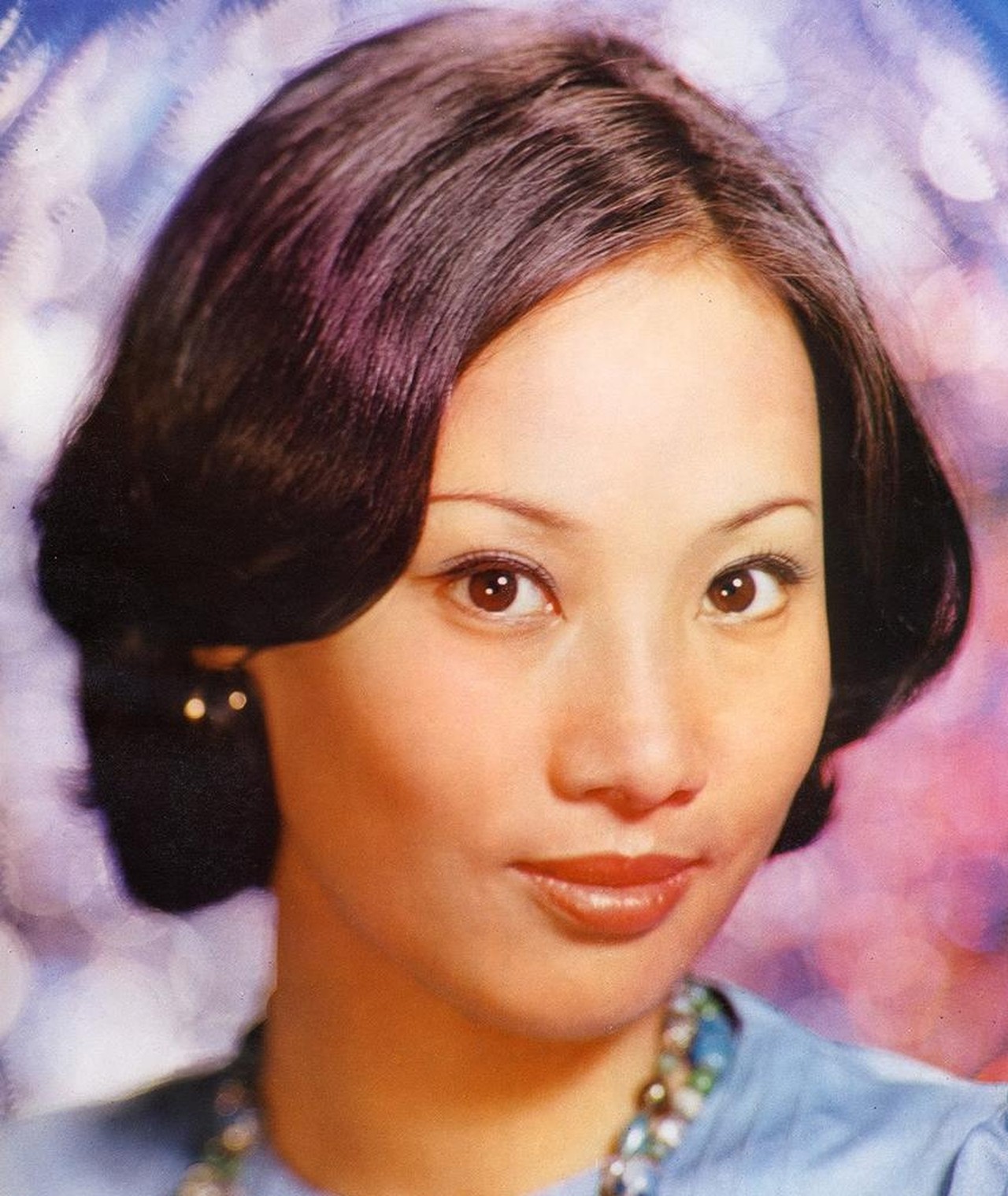
Angela Mao was born in Taiwan and grew up in a family connected to Peking Opera. She began opera training as a child, learning stage movement, flexibility and performance. She also studied Hapkido, eventually developing the real martial arts ability that became a major part of her screen career.
Real-life martial arts: Hapkido, Lady Whirlwind and When Taekwondo Strikes made her an international name. She later stepped away from acting, married and moved toward a quieter family life in New York. Her story is one of the most interesting in 1970s martial arts cinema because she walked away while she was still a major star.
Director Huang Feng noticed her talent, and Golden Harvest brought her into the Hong Kong film industry. At a time when women were rarely given the same action opportunities as men, Angela became a leading star in her own right.
Reliable public information about this performer's later life is limited, so I have not added an unverified death date or claim.
KARA HUI YING-HUNG

Kara Hui is one of the great stories of the Shaw Brothers era. She grew up in Hong Kong and had a difficult childhood, working from a young age and eventually becoming a professional dancer.
Real-life martial arts: Her training included dance and weapons instruction. She was taught by Mark Bo-sim, the mother of Donnie Yen, and Kara has said that the training helped her learn choreography extremely quickly. She could listen to a director describe a sequence and remember the movements without needing them demonstrated over and over.
Lau Kar-leung recognized what she could do and made her one of his leading female performers. My Young Auntie became one of her signature films. Kara never disappeared from the business and went on to win major acting awards, becoming just as respected for dramatic acting as she had been for kung fu.
Reliable public information about this performer's later life is limited, so I have not added an unverified death date or claim.
JOHN LIU

John Liu became famous for a kind of kicking that looked almost impossible. His career grew during the great kicking era of 1970s Hong Kong martial arts cinema, when audiences were beginning to recognize the difference between a movie actor and a performer who could really fight.
Real-life martial arts: He trained extensively and became closely associated with Taekwondo and high kicking. He also learned from other major kicking specialists, including Tan Tao-liang, and developed his own approach to martial arts.
After his film career, John Liu continued teaching and developing his martial arts system. His legacy is especially strong among fans who study old-school kicking techniques, because his movie fights still show a level of flexibility and control that is difficult to fake.
Reliable public information about this performer's later life is limited, so I have not added an unverified death date or claim.
HWANG JANG-LEE

Hwang Jang-lee was born in Aomori, Japan, to Korean parents and grew up in Korea. He began martial arts training in his teens and became a highly ranked practitioner of Taekwondo and Tang Soo Do.
Real-life martial arts: Before becoming a movie star, he served as a martial arts instructor for the Korean military in Vietnam. That background explains why his movie kicking looked so different from the average actor's choreography.
Hong Kong filmmaker Ng See-yuen brought him into the Hong Kong film business in the 1970s. Hwang became one of the screen's greatest villains, especially opposite Jackie Chan in Snake in the Eagle's Shadow and Drunken Master. He later taught martial arts, worked as a technical adviser and still takes part in martial arts events.
Reliable public information about this performer's later life is limited, so I have not added an unverified death date or claim.
TAN TAO-LIANG

Tan Tao-liang was born in Busan, South Korea, to Chinese Korean parents. He started martial arts training at seven and studied several systems, including Taekwondo, Judo, Hapkido and kung fu.
Real-life martial arts: Taekwondo became his specialty because he loved the speed, competition and high kicks. He won championships and eventually taught Taekwondo at National Taiwan University. His reputation as a martial artist brought him to the attention of filmmakers.
His movie career took off in the 1970s, and fans soon knew him as Flash Legs. After leaving acting, he continued teaching and passed his knowledge to students including John Liu, Yuen Biao and others. He is one of the people who helped shape the high-kicking style that fans associate with classic kung fu movies.
Reliable public information about this performer's later life is limited, so I have not added an unverified death date or claim.
SHO KOSUGI

Sho Kosugi was born in Tokyo and grew up in a family that did not force him into one particular career. He began studying karate as a child and kept adding martial arts to his training.
Real-life martial arts: His background became unusually broad. He trained in Shindō jinen-ryū karate, judo, kendo, iaido, kobudo, aikido and ninjutsu, and became an All Japan Karate Champion. He later moved to the United States, studied at college and opened martial arts schools.
YASUAKI KURATA

Yasuaki Kurata was born and raised in Ibaraki, Japan. His father introduced him to Shito-ryu karate when he was young, and Kurata eventually earned a seventh-dan black belt.
Real-life martial arts: He also trained in judo, aikido and kendo. After studying at Nihon University, he entered the Japanese film business and eventually became one of the most important Japanese martial artists working in Hong Kong cinema.
Hong Kong audiences saw him opposite many of their biggest stars. Kurata has continued appearing in film and remains active in the martial arts and entertainment world.
SHIH SZU

Shih Szu was one of the beautiful and talented women who became a major part of the Shaw Brothers kung fu era. She joined Shaw Brothers in 1970 and quickly became known for playing strong female characters in martial arts movies.
Real-life martial arts: Shih Szu studied ballet from childhood. Reliable biographies do not establish one formal kung fu lineage for her, so we do not attach a style that has not been documented.
Reliable public information about this performer's later life is limited, so I have not added an unverified death date or claim.
YEUNG JING JING

Yeung Jing Jing became one of the familiar female faces of Hong Kong martial arts cinema during the great Shaw Brothers era. She was especially known for her athletic ability, strong screen presence and performances in kung fu and action films.
Real-life martial arts: Yeung Jing Jing was trained in wushu from childhood. That real training helps explain the speed, balance and athletic movement she brought to her fight scenes, and she later worked as a fight choreographer as well.
Yeung Jing Jing was particularly memorable for her martial arts roles, where she could hold her own alongside the male fighters. Her work helped make her one of the female performers remembered by fans of classic Hong Kong kung fu movies.
Although she eventually stepped away from the spotlight, Yeung Jing Jing remains an important part of the history of Shaw Brothers, Hong Kong martial arts films and classic kung fu cinema.
CANDY WEN HSUEH-ERH

Candy Wen Hsueh-Erh became one of the memorable young female stars of the Shaw Brothers era. Born in Hong Kong, she entered the entertainment business while still a teenager and quickly became known for her work in martial arts and wuxia productions.
Real-life martial arts: Candy Wen received performance and martial arts training during her early years in Hong Kong entertainment. Reliable sources do not clearly identify one formal kung fu style or teacher, so her movie roles should not be used as proof of a particular lineage.
Candy Wen was particularly memorable for her ability to play strong and unusual characters, including roles that required her to disguise herself as a man. Her screen presence made her a favorite among fans of Shaw Brothers swordplay and kung fu films.
After her early film career, Candy Wen continued working in Hong Kong television and later returned to acting in film and television. She remains active in the entertainment industry, making her one of the classic kung fu-era performers fans can still follow today.
HOU CHAO SENG

Hou Chao Seng was one of the recognizable supporting performers who appeared during the great kung fu movie boom of the late 1970s and early 1980s. He became particularly familiar to fans of old-school Hong Kong martial arts cinema through his work in a number of classic action films.
Real-life martial arts: John Cheung, who worked with Hou in Snake in the Monkey's Shadow, specifically remembered that Hou was good at Drunken Fist. Other film sources describe him as a practitioner of Monkey Fist, but I have not found a reliable biographical source proving a formal Monkey-style lineage. The movie shows Monkey-style kung fu, but that does not by itself prove Hou studied it in real life.
Hou Chao Seng worked during a particularly exciting period when Hong Kong filmmakers were combining traditional martial arts with increasingly elaborate fight choreography. His appearances are part of the deep supporting cast that helped give these classic productions their distinctive character.
Information about Hou Chao Seng's later life is limited, and reliable sources do not currently provide a confirmed death date. For that reason, he should not be included among the Fallen Heroes of Classic Kung Fu Cinema unless reliable evidence of his death is established.
CHARLIE CHAN YIU-LAM

Charlie Chan Yiu-Lam was a familiar face in the golden era of Hong Kong kung fu cinema. He became known for his supporting roles in martial arts films during the 1970s and 1980s, appearing alongside many of the leading stars and martial artists of the period.
Real-life martial arts: Charlie Chan Yiu-Lam was an experienced martial arts performer, but reliable biographies do not clearly document a formal school or named martial arts lineage. His fight work is well established; a specific style is not.
Charlie Chan worked during a period when Hong Kong filmmakers were developing some of the most exciting martial arts choreography ever put on screen. His roles placed him alongside performers whose work helped define the style and energy of classic Hong Kong kung fu movies.
Information about Charlie Chan Yiu-Lam's later life is limited. There is no reliable death date or obituary that establishes that he has passed away, so he should not be placed among the Fallen Heroes of Classic Kung Fu Cinema.
KONG DO

Kong Do, also known as Chiang Tao and Donald Kong, was one of the familiar faces of classic Hong Kong kung fu cinema. Born in Taiwan in 1942, he became a busy character and martial arts performer during the great kung fu boom of the 1970s and 1980s.
Real-life martial arts: Kong Do was a martial arts performer as well as an actor, but detailed biographies of his personal training are limited. The surviving record does not give us a reliable named lineage, so it is better not to confuse the styles he played on screen with a style he is proven to have studied.
Kong Do was particularly effective in villainous and supporting martial arts roles. He also appeared in many independent Hong Kong and Taiwanese productions, eventually building a filmography that covered kung fu, wuxia, action, fantasy and other genres.
Kong Do is living, with no reliable death record found in the sources reviewed. Born on June 17, 1942, he remains part of the history of Shaw Brothers, classic kung fu movies and Hong Kong martial arts cinema.
CHAN LAU

Chan Lau was a familiar face during the golden era of Hong Kong kung fu cinema. He built a long career as a supporting actor and martial arts performer, appearing in many of the action films that helped define Hong Kong's classic kung fu period.
Real-life martial arts: Chan Lau worked as a martial arts performer and was clearly experienced with fight choreography, but reliable sources do not establish a specific formal style or teacher for his personal training.
His work covered both traditional kung fu and wuxia productions. He was part of the large group of dependable martial arts performers who helped directors create the elaborate fight scenes that became a trademark of 1970s and 1980s Hong Kong cinema.
Information about Chan Lau's later life is limited, and I have not found reliable documentation confirming that he has passed away. For that reason, he should not be included among the Fallen Heroes of Classic Kung Fu Cinema.
LUNG TIEN-HSIANG

Lung Tien-Hsiang, also known as Lung Tien-Sheng, is a Taiwanese actor who became known to kung fu fans through his work with Shaw Brothers during the late 1970s and early 1980s. Born in Taiwan in 1955, he was one of the martial arts performers brought into Hong Kong cinema during an important period in Shaw Brothers history.
Real-life martial arts: Lung Tien-Hsiang became known as a martial arts actor after Chang Cheh recruited him, but reliable biographies are much clearer about his film career than about a named personal martial arts lineage. We leave that detail open rather than guess.
Lung was particularly effective in the serious martial arts roles that became a trademark of Chang Cheh's films. He worked alongside many of the performers who defined the Shaw Brothers era, including members of the Venom Mob and other major Hong Kong action stars.
His later credits include television and film work well into the 21st century, including appearances in GATAO: Like Father Like Son and GATAO: Big Brothers. Lung Tien-Hsiang remains active in Taiwanese film and television. Taiwan Cinema lists him in the 2025 film GATAO: Big Brothers, confirming that his career continued well beyond the Shaw Brothers era.
YEUNG HUNG

Yeung Hung was one of the many talented martial arts performers who became part of the great wave of Hong Kong kung fu cinema during the 1970s and 1980s. He became a familiar face to fans through his supporting roles in some of the era's classic action and martial arts productions.
Real-life martial arts: Yeung Hung worked as a martial arts performer during the Shaw Brothers era, but reliable biographical sources do not clearly identify a specific traditional style or teacher. His ability is clear on film, while the details of his private training remain poorly documented.
Yeung Hung was especially suited to the supporting martial arts roles that were so important to these productions. The large casts of experienced fighters, stunt performers and character actors allowed directors to create the elaborate fight sequences that became one of the trademarks of classic Hong Kong kung fu movies.
Information about Yeung Hung's later life is limited, and I have not found reliable documentation confirming a death date. For that reason, he should not be included among the Fallen Heroes of Classic Kung Fu Cinema.
CHENG HONG YIP

Cheng Hong Yip was one of the many skilled martial arts performers who contributed to the golden age of Hong Kong kung fu cinema during the 1970s and 1980s. He appeared in numerous Shaw Brothers and independent productions, often in supporting roles that showcased his martial arts ability and screen presence.
Real-life martial arts: Cheng Hong Yip was an experienced screen fighter, but the surviving biographical record does not clearly establish a named martial arts school or teacher. His roles in films such as Heroes of the East show his performance ability, but the styles shown in the movie should not be mistaken for his personal training.
Cheng Hong Yip worked alongside many of the major stars and martial arts performers of the period. Like many of the supporting fighters who appeared throughout Shaw Brothers productions, his work helped give these movies the large, talented ensembles and exciting action sequences that fans still remember today.
Information about Cheng Hong Yip's later life is limited, and there is no reliable death date establishing that he has passed away. For that reason, he should not be placed among the Fallen Heroes of Classic Kung Fu Cinema unless reliable evidence of his death is established.
WANG HAN-CHEN

Wang Han-Chen was one of the familiar supporting performers of the golden age of Hong Kong kung fu cinema. He became known to martial arts fans through his appearances in classic Shaw Brothers productions and other action films during the 1970s and 1980s.
Real-life martial arts: Wang Han-Chen appeared frequently in martial arts productions, but reliable sources do not provide enough information about his personal training to name a specific style with confidence. He should be remembered as a seasoned supporting performer rather than given an unverified lineage.
He appeared in a number of classic Hong Kong martial arts productions and became especially familiar to fans who followed the work of directors and performers associated with the Shaw Brothers studio.
Like many of the supporting martial artists from this period, information about Wang Han-Chen's later life is limited. There is not enough reliable information available to establish a confirmed death date, so he should not be placed among the Fallen Heroes of Classic Kung Fu Cinema without further evidence.
LAU HOK-NIN

Lau Hok-Nin was one of the familiar supporting martial arts performers who worked throughout the golden era of Hong Kong kung fu cinema. He appeared regularly during the 1970s and 1980s, working alongside many of the actors and martial artists who helped define old-school Hong Kong action movies.
Real-life martial arts: Lau Hok-Nin worked as a martial arts performer and action choreographer. His career shows substantial practical experience, but reliable biographies do not clearly identify the traditional style or teacher he studied under, so we leave that detail open rather than guessing.
His career was not limited to acting. Lau Hok-Nin also worked behind the scenes as a martial arts choreographer, including work on Trap and Don't Kill Me, Brother!. He later worked in production as well, showing the range of experience that many of the old Hong Kong action performers brought to the film industry.
Information about Lau Hok-Nin's later life is limited, and I have not found reliable documentation establishing a confirmed death date. For that reason, he should not be placed among the Fallen Heroes of Classic Kung Fu Cinema unless reliable evidence of his death is established.
CHIN SIU HO

Chin Siu Ho became one of the familiar young faces of the Shaw Brothers era and went on to build a long career in Hong Kong martial arts cinema. Born in Hong Kong in 1963, he began martial arts training when he was young and entered the film business as a teenager.
Real-life martial arts: Chin Siu Ho started martial arts training at 10 years old. He later said he preferred practical, applied fighting rather than simply performing standard movements, and he has spoken about the influence of his teacher Sin Lam Yuk and Bruce Lee's practical approach to fighting.
Chin Siu Ho later became widely known for playing Chou in Mr. Vampire and for appearing opposite Jet Li in Tai Chi Master and Fist of Legend. His career eventually expanded beyond the classic kung fu films that first made him famous.
Chin Siu Ho remains an important part of the history of Shaw Brothers, classic kung fu movies, Hong Kong martial arts cinema and old-school action films.
LEE I MIN

Lee I Min, also credited as Li Yi-Min, was one of the martial arts performers who became part of the Shaw Brothers film world during the great kung fu era of the 1970s. He appeared in a number of classic Hong Kong martial arts productions and worked alongside many of the major performers of the period.
Real-life martial arts: Lee I Min was clearly a capable martial arts performer and acrobat, but reliable sources do not establish a single named martial arts style or teacher with enough confidence to list one as fact. His acrobatic ability was a major part of what made him stand out on screen.
Lee I Min was particularly suited to the fast-moving martial arts productions of the period. Like many of the performers working in Hong Kong during this era, his career included both acting and martial arts performance.
Although information about his later life is limited, there is no reliable death date establishing that Lee I Min has passed away. For that reason, he should not be placed among the Fallen Heroes of Classic Kung Fu Cinema.
DON WONG TAO

Don Wong Tao, also known as Wang Tao, became one of the recognizable martial arts stars of the 1970s kung fu movie boom. Born in 1950, he built his reputation as a skilled martial artist and actor whose physical ability made him a natural leading man in the independent kung fu films of the period.
Real-life martial arts: Don Wong Tao built his movie career around real martial arts ability, but detailed sources are inconsistent about the exact styles and teachers he studied under. It is safest to describe him as a trained martial arts performer without inventing a lineage.
Don Wong also starred in Along Comes a Tiger in 1977. He played the Miracle Man, a fighter who sets out to avenge his father's death, and also served as one of the film's producers. The movie was directed by Wu Ma and featured performers including Stephen Tung Wai, Phillip Ko and Lung Fong.
Don Wong Tao is still living. His career is an important part of the history of classic kung fu movies, Hong Kong martial arts cinema and the independent action films of the 1970s.
SHU QI

Shu Qi was born Lin Li-hui in Xindian, Taiwan. Her childhood was not easy, and she began modeling while still young. That work eventually brought her into the entertainment business.
Real-life martial arts: Shu Qi is an actress who has performed in many action films, but she is not known for a formal martial arts background comparable to the martial artist-performers on this page. Her action work has largely come through film training and choreography rather than a documented traditional kung fu lineage.
Unlike many performers on this page, Shu Qi is still very active. In addition to acting, she has moved behind the camera, and her directorial debut Girl became part of the international festival circuit. She is a good example of how a Hong Kong star can build an entirely new chapter without leaving cinema behind.
LEUNG KAR-YAN

Leung Kar-Yan, better known to many fans as Bryan Leung or “Beardy,” became one of the most recognizable faces of classic Hong Kong kung fu cinema. Born in Hong Kong, he entered the film business during the great martial arts movie boom of the 1970s.
Real-life martial arts: Leung Kar-Yan is unusual because he had no formal martial arts or Chinese Opera training. His natural athletic ability and remarkable talent for imitation allowed him to learn complicated fight movements simply by watching action directors demonstrate them. Sammo Hung and Lau Kar-leung both recognized this unusual ability.
He joined Shaw Brothers after approaching the studio for an opportunity and appeared in films including Shaolin Martial Arts and Five Shaolin Masters. His major breakthrough came with Sammo Hung's Warriors Two (1978), where he played the Wing Chun master Mr. Tsan. He later became a familiar face in films such as Knockabout, The Victim and Legend of a Fighter.
Leung Kar-Yan continued working in Hong Kong and Chinese-language film and television long after the golden age of kung fu cinema. For fans who remember him from the old Shaw Brothers and Sammo Hung films, his career is a great example of how natural ability, athleticism and an incredible eye for movement could create one of Hong Kong cinema's memorable martial arts performers.
CHIN YUET-SANG

Chin Yuet-Sang became a familiar face to fans of classic Hong Kong kung fu movies through his work as an actor, stuntman, martial arts performer and action choreographer. He was part of the generation of performers who helped give 1970s and 1980s Hong Kong cinema its fast and physical style.
Real-life martial arts: Chin Yuet-Sang trained at the Spring and Autumn Chinese Opera School in Hong Kong, where he developed the performance and acrobatic skills that later made him an experienced screen fighter and stunt performer. A specific traditional martial arts lineage is not clearly documented.
His credits include Warriors Two, The Prodigal Son, Roar of the Lion, The Thundering Mantis and Kung Fu vs. Yoga. In The 7 Grandmasters, he even played Monkey Liu, a character associated with monkey-style kung fu, but that movie role should not be taken as proof that Monkey Style was his personal martial arts discipline.
Chin Yuet-Sang also worked behind the camera as a director, writer and action performer. Information about his private life today is limited, but there is no reliable record confirming his death. For fans of old-school Hong Kong action cinema, his work remains part of the rich history of classic kung fu movies and martial arts film choreography.
LAU KAR-WING

Lau Kar-wing was one of the important figures behind the classic Shaw Brothers kung fu films of the 1970s and 1980s. He was not only an actor, but also a highly respected martial arts choreographer and director, helping create the authentic fighting style that became one of the trademarks of Hong Kong action cinema.
Real-life martial arts: Lau Kar-wing grew up in the famous Lau family martial arts tradition and learned Hung Fist from his father, Lau Cham, and his older brother Lau Kar-leung. His martial arts training was not just for the movies; it became the foundation of his work as an actor, choreographer and director.
Lau Kar-wing worked extensively with Shaw Brothers and became involved with many important martial arts productions. He choreographed King Boxer, also known as Five Fingers of Death, and appeared in films including The Spiritual Boxer, Legendary Weapons of China, Dirty Tiger, Crazy Frog, Odd Couple and Skinny Tiger, Fatty Dragon.
Lau Kar-wing is living, with no reliable death record found in the sources reviewed. His long career makes him an important link to the original Shaw Brothers generation of martial artists, choreographers and filmmakers.
TONG BRUCE

Tong Bruce, also known as Yim Chaan, was one of the familiar faces of Hong Kong's classic kung fu movie era. He became known for his work as a martial arts performer and supporting actor during the 1970s, appearing in a number of productions from the period when Hong Kong action cinema was developing its distinctive style.
Real-life martial arts: Tong Bruce worked as a martial arts performer, but detailed information about his personal training is scarce. There is not enough reliable evidence to name a specific style or teacher, so his film work should not be treated as proof of one.
He appeared in productions associated with the old-school Hong Kong martial arts film tradition and became a recognizable supporting performer to fans who followed the work of the major studios and independent action filmmakers.
Like many of the supporting martial artists from this period, information about Tong Bruce's later life is limited. There is not enough reliable information available to establish a confirmed death date, so he should not be placed among the Fallen Heroes of Classic Kung Fu Cinema without reliable evidence.
CHI KUAN-CHUN

Chi Kuan-Chun became one of the important martial arts stars of the Shaw Brothers era. Born in Guangdong, China, he moved to Hong Kong as a young man and became known for his traditional martial arts training, athletic ability and strong screen presence.
Real-life martial arts: Chi Kuan-Chun was a trained martial artist and became strongly associated with Shaolin-style roles. Reliable biographies do not consistently identify one specific traditional teacher or lineage for his personal training, so it is better to describe his background as martial arts training rather than attach an uncertain school.
Chi Kuan-Chun became particularly well known for portraying Shaolin-trained fighters and righteous martial artists. He worked with many of the major performers and filmmakers of the era, including Chang Cheh and other members of the Shaw Brothers action filmmaking team.
Chi Kuan-Chun is living, with no reliable death record found in the sources reviewed. His long career makes him an important part of the history of Shaw Brothers, Shaolin kung fu movies, classic Hong Kong martial arts cinema and the golden era of 1970s action films.
NORMAN CHU

Norman Chu became one of the recognizable faces of Hong Kong martial arts cinema during the late 1970s and 1980s. He was known for his sharp screen presence, martial arts ability and memorable performances in both kung fu and wuxia films.
Real-life martial arts: Norman Chu was trained for martial arts film work and became highly skilled with weapons and choreography, but his biographies do not consistently document a single traditional style or teacher. His screen ability came from extensive practical training and years of action-film experience.
Norman Chu was especially effective in roles that required both acting and martial arts ability. He could play heroes, villains and powerful martial arts masters, giving him a versatility that helped him remain in demand as Hong Kong action cinema continued to evolve.
Norman Chu (Norman Chui Siu-keung) died on September 1, 2024, in Beijing at the age of 73. He left behind a long career in Shaw Brothers, classic kung fu movies, wuxia films and Hong Kong martial arts cinema, with memorable roles in films such as Duel to the Death and The Sword.
BILLY CHONG

Billy Chong became known to kung fu fans during the golden era of Hong Kong martial arts cinema. He was a skilled martial arts performer whose screen work included some of the memorable independent kung fu productions of the 1970s and 1980s.
Real-life martial arts: Billy Chong, also known as Will Dozan, studied Kyokushin Karate and also trained in kung fu. His martial arts ability was very real; he later taught hand-to-hand combat to members of the Indonesian military.
Billy Chong worked alongside many of the talented performers who helped define old-school Hong Kong action cinema. His career was part of the independent kung fu film movement that developed alongside the larger Shaw Brothers productions and gave martial arts fans some of the era's most unusual and entertaining movies.
Billy Chong, also known as Willy Dozan, is living and remains active in Indonesian film and television. His career remains part of the history of classic kung fu movies, Hong Kong martial arts cinema and the golden era of 1970s and 1980s action films.
JOHNNY WANG

Johnny Wang Lung-wei was one of the most recognizable villains and supporting actors of the Shaw Brothers era. Born in Taiwan, he became known for his powerful screen presence, martial arts ability and memorable performances as some of the toughest characters in classic Hong Kong kung fu cinema.
Real-life martial arts: Wang became closely associated with director Chang Cheh and appeared in many of the studio's most important martial arts productions. His film credits include The Five Deadly Venoms, Crippled Avengers, Invincible Shaolin, Kid with the Golden Arm, Ten Tigers of Kwangtung and Flag of Iron.
He was particularly effective at playing ruthless villains and powerful martial arts opponents. His imposing presence made him an ideal opponent for stars such as Gordon Liu, Philip Kwok, Lu Feng, Chiang Sheng and the other members of the Venom Mob.
Johnny Wang Lung-wei is still living. Born July 14, 1949, he remains an important part of the history of Shaw Brothers cinema and classic Hong Kong kung fu movies. His career also included directing, producing and action choreography after his years in front of the camera.
DEREK YEE TUNG SING

Derek Yee was born in Hong Kong in 1957 and came from a real film family. His mother was actress Hung Wei, and his half-brothers include David Chiang and Paul Chun. He joined Shaw Brothers in 1977 and became a familiar face in classic martial arts movies.
Real-life martial arts: Derek Yee received martial arts training for his Shaw Brothers film work, but he was primarily an actor rather than a lifelong martial arts master. Reliable biographies do not establish a specific traditional lineage, and much of his later career moved into directing and screenwriting.
Yee later moved behind the camera and became an award-winning director and screenwriter. Films such as C'est la vie, mon chéri, One Nite in Mongkok and Protégé established him as one of Hong Kong's respected filmmakers. He is still active in film today.
WILSON TONG WAI SHING

Wilson Tong Wai Shing came up through the old Hong Kong action-film system and became known as both an actor and a martial arts director. His screen work includes The 36th Chamber of Shaolin, Shaolin Mantis, Dirty Ho, Heroes of the East and Snake in the Monkey's Shadow.
Real-life martial arts: His real value to the kung fu movie business was not limited to acting. Wilson Tong also worked behind the camera as an action choreographer and director, helping build the kind of detailed fight scenes that became a trademark of classic Hong Kong cinema. Hong Kong Movie Database credits him with action choreography, directing and martial arts design across a long film career.
He was also featured in the 2021 documentary Kung Fu Stuntmen, which looked back at the stuntmen and action directors who built Hong Kong's golden-age fight cinema. There is no reliable death record for Wilson Tong, so he remains with the living stars on this page.
DICK WEI

Dick Wei became one of Hong Kong martial arts cinema's great tough guys. Born Tu Jilong in Taiwan, he was a real martial artist before becoming a familiar face on screen.
Real-life martial arts: Wei studied martial arts from a young age and later served as a Taiwanese Army captain and Taekwondo instructor. His background led to work with Chang Cheh and Shaw Brothers, where he appeared in films including Five Deadly Venoms, The Avenging Eagle and The Kid with the Golden Arm.
He later became a familiar face in films such as The Prodigal Son, Project A, Eastern Condors and Millionaires Express, while also working as an action director and choreographer. Dick Wei is still living and remains an important part of Hong Kong martial arts movie history.
WHY THESE STARS STILL MATTER
The people on this page came from different places and different backgrounds, but they helped build the action movies fans still talk about decades later. Their real training matters because you can often see it in the way they move, handle weapons, kick, fall and work with each other.
Some became teachers. Some worked behind the camera. Some retired quietly. And some are still active. The movies are still here, and the stars who made them are still part of that history.