

Collection: Fallen Heroes of Classic Kung Fu Cinema
If you grew up watching classic kung fu movies, you have probably wondered what happened to the stars you watched over and over again. This page looks back at the people behind the fights — where they came from, how they trained, the movies they made, and the lives they lived.
Many came through Shaw Brothers, Chinese Opera schools, martial arts training, or the stunt world. Some became major stars, while others built careers as choreographers, directors and teachers. Sadly, these are the people we have lost. Even though most of us never knew them personally, their faces, characters and performances became part of our lives. This page is a tribute to the Fallen Heroes of Classic Kung Fu Cinema and the memories they left behind.
1. Chen Kuan-Tai (1945–2026)

Chen Kuan-Tai was one of the great real martial artists of classic Hong Kong cinema. He began studying martial arts as a child and trained in Tai Sing Pek Kwar, a monkey-style kung fu system. He also became a tournament champion before entering the film business, which gave his screen fighting a level of authenticity that fans could see.
His breakthrough came in The Boxer from Shantung (1972), followed by Heroes Two, The Teahouse, The Flying Guillotine, Crippled Avengers and Killer Constable. He also worked as an action choreographer and director.
Passed away: September 2, 2026, at age 80, after reportedly suffering a cerebral haemorrhage.
Remembered for: His real martial arts ability, powerful screen presence and lasting contribution to Shaw Brothers kung fu cinema.
2. Jimmy Wang Yu (1943–2022)
.jpg)
Jimmy Wang Yu was one of the first major martial arts stars of the Shaw Brothers era. He was known primarily as a screen fighter rather than for a single documented traditional martial arts lineage, and his early athletic background helped him develop the physical style that became his trademark.
His breakthrough came with Chang Cheh’s One-Armed Swordsman (1967). He followed it with The Assassin, Golden Swallow, Return of the One-Armed Swordsman and The Chinese Boxer. He later worked in Taiwan as an actor, director, producer and writer.
Passed away: April 5, 2022, in Taipei, at age 79, after a long illness. His family did not publicly identify a specific cause.
Remembered for: One-Armed Swordsman, The Chinese Boxer and helping shape the modern kung fu movie hero.
3. Lo Lieh (1939–2002)

Lo Lieh became one of the most recognizable faces of Shaw Brothers martial arts cinema. His career included extensive wuxia and kung fu work, although reliable biographies do not clearly document a specific lifelong traditional martial arts school for him. His screen ability came from the studio system and years of martial arts filmmaking.
Fans remember him as Chao Chi-Hao in King Boxer (Five Fingers of Death) and as Pai Mei in Executioners from Shaolin and Clan of the White Lotus. He also appeared in The 36th Chamber of Shaolin and worked as a director and producer.
Passed away: November 2, 2002, in Shenzhen, at age 63, from a heart attack.
Remembered for: His villains, tough characters and decades of work in classic Hong Kong martial arts cinema.
4. Alexander Fu Sheng (1954–1983)

Alexander Fu Sheng was one of Shaw Brothers’ brightest young stars. He trained at the Shaw Brothers Southern Drama School, where performers learned acting and the physical skills needed for Hong Kong action films. His athletic movement and natural comic timing quickly made him stand out.
Chang Cheh’s Heroes Two (1974) made him a major star. He went on to appear in The New Shaolin Boxers, Shaolin Avengers, Chinatown Kid, The Brave Archer and 8 Diagram Pole Fighter. His death came while his career was still rising.
Passed away: July 7, 1983, at age 28, after a car accident in Hong Kong while working on 8 Diagram Pole Fighter.
Remembered for: His youthful energy, athletic kung fu performances and the many films he left behind in a very short career.
5. Chiang Sheng (1951–1991)

Chiang Sheng was one of the most athletic members of the Shaw Brothers Venom Mob. He trained at the Fu Sheng Opera School in Taiwan in martial arts and acrobatics, developing the speed, balance, flexibility and weapon skills that became a major part of his screen style.
Chang Cheh brought him to Shaw Brothers, where he became a key performer in Five Deadly Venoms and other classics. He also worked in action choreography and directing. His acrobatic fighting made him one of the most exciting members of the Venom group.
Passed away: August 18, 1991, in Taipei, at age 40. His death was attributed to a heart attack.
Remembered for: His acrobatics, weapons work and unforgettable contribution to the Venom Mob films.
6. Ku Feng (1930–2025)

Ku Feng was one of the most dependable character actors in Hong Kong cinema and became a familiar face throughout the Shaw Brothers catalog. He played martial artists, masters, villains and officials, although reliable biographies do not clearly establish a specific formal martial arts lineage for him.
His enormous filmography covered wuxia, kung fu and action pictures across several generations of Hong Kong cinema. Fans often recognized him immediately, even when he was not the lead, because of the distinctive presence he brought to supporting roles.
Passed away: March 27, 2025, in Hong Kong, at age 94. Reliable reports did not clearly disclose a specific cause of death.
Remembered for: His enormous body of work and the countless classic Shaw Brothers films in which his face became familiar to fans.
7. Yueh Hua / Elliot Ngok (1942–2018)
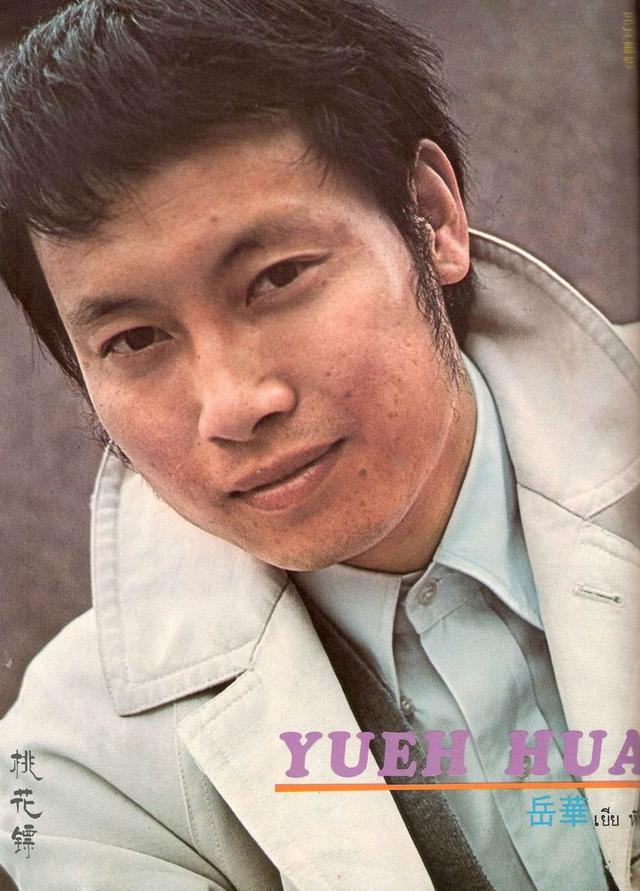
Yueh Hua, also known as Elliot Ngok, was one of Shaw Brothers’ most versatile leading men. He worked in wuxia, historical dramas and martial arts films, often playing swordsmen and other physically demanding roles. Reliable biographies do not clearly identify a specific traditional martial arts style that he formally studied.
He appeared in Come Drink with Me, Brothers Five, The Magic Blade and many other Shaw Brothers productions. He later continued working in television and film, building a career that extended well beyond the studio’s golden age.
Passed away: October 20, 2018, in Vancouver, Canada, at age 76, after battling cancer.
Remembered for: His versatility, swordplay roles and more than a hundred film appearances.
8. Wu Ma (1942–2014)
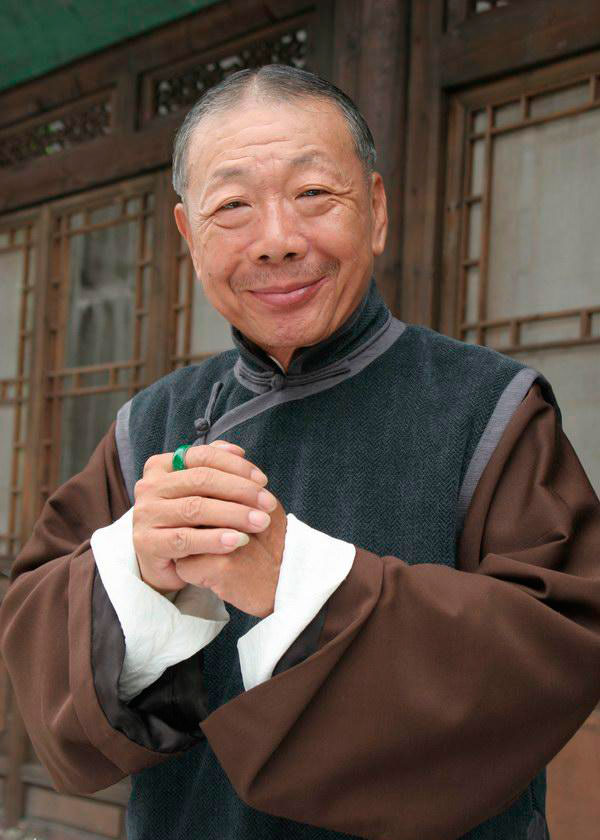
Wu Ma was one of the most recognizable character actors in Hong Kong cinema. He joined the Shaw Brothers acting training program in the 1960s, where performers developed the acting and physical skills needed for period and martial arts productions. His career included plenty of screen fighting, although a specific formal martial arts lineage is not clearly documented.
He appeared in Lady General Hua Mulan, Temple of the Red Lotus and many other Shaw Brothers films before becoming a director as well as an actor. Later generations knew him especially well as the Taoist priest Yan Chixia in A Chinese Ghost Story.
Passed away: February 4, 2014, in Hong Kong, at age 71, after battling lung cancer.
Remembered for: His long career as an actor, director and one of Hong Kong cinema’s great supporting performers.
9. Dean Shek (1949–2021)
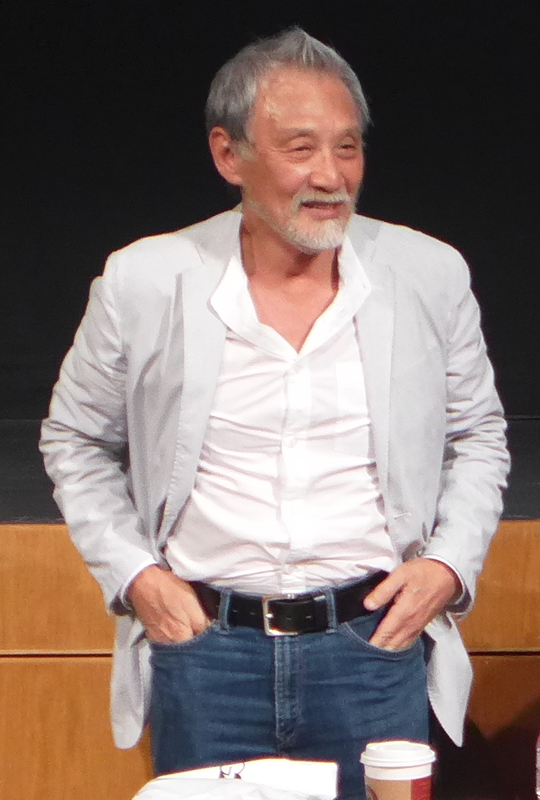
Dean Shek became one of the familiar comic faces of Hong Kong martial arts cinema. He joined Shaw Brothers as a contract actor in the late 1960s and learned the physical demands of the studio’s action productions. Reliable biographies do not clearly identify a specific formal martial arts lineage for him.
He appeared in more than twenty Shaw Brothers films before moving into producing and directing. Fans remember his comic performances in Snake in the Eagle’s Shadow, Drunken Master and Warriors Two, where his timing helped define the lighter side of kung fu cinema.
Passed away: September 20, 2021, in Hong Kong, at age 72, from cancer.
Remembered for: His comic timing and important role in the development of Hong Kong kung fu comedy.
10. Lee Hoi-San (1941–2024)
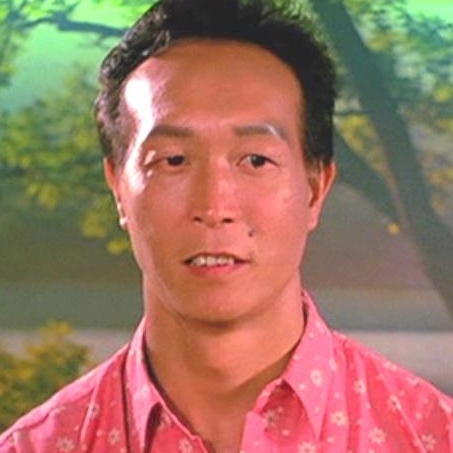
Lee Hoi-San was a veteran Hong Kong martial arts performer and character actor. He was known for his real martial arts ability and is closely associated with Wing Chun. That background helped make him a dependable performer in the large fight casts used by Hong Kong filmmakers.
He appeared in The 36th Chamber of Shaolin, Heroes of the East, The Incredible Kung Fu Master, The Young Master, The Prodigal Son and Shaolin and Wu Tang. He worked across several generations of Hong Kong action cinema.
Passed away: September 9, 2024, at age 83. A specific cause of death was not publicly disclosed.
Remembered for: His Wing Chun background, martial arts ability and countless supporting roles alongside Hong Kong’s biggest stars.
11. Lau Kar-leung (1934–2013)
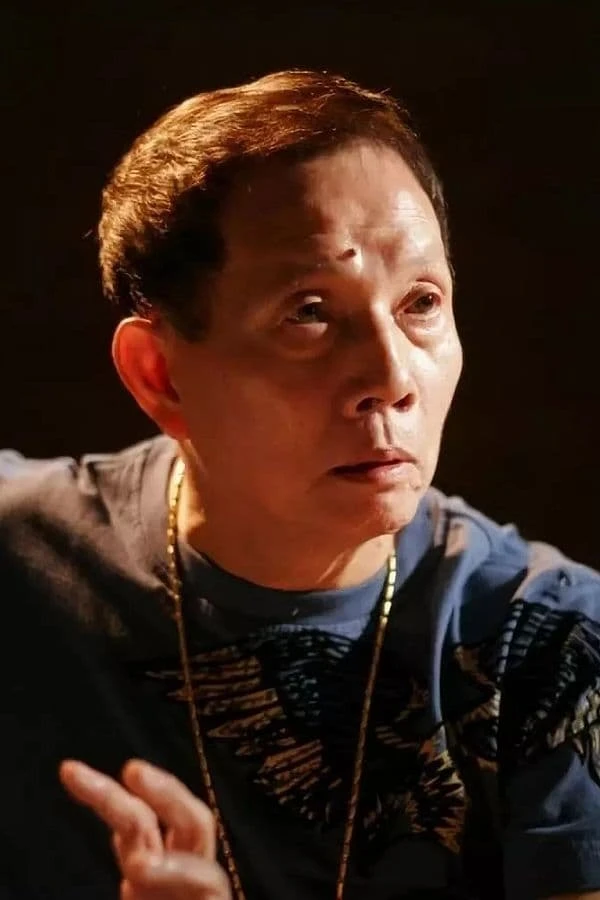
Lau Kar-leung came from a real martial arts family and trained in traditional Hung Gar under his father, Lau Cham. That training became the foundation for a career devoted to authentic Chinese martial arts on screen. He understood kung fu not simply as choreography, but as a living discipline.
At Shaw Brothers he became one of the most important action choreographers and directors in the history of Hong Kong cinema. His films include The 36th Chamber of Shaolin, Executioners from Shaolin, Heroes of the East and Legendary Weapons of China.
Passed away: June 25, 2013, in Hong Kong, at age 76, after a long battle with lymphatic cancer.
Remembered for: Bringing traditional kung fu training and detailed martial arts choreography to some of Shaw Brothers’ greatest films.
12. Ching Li (1945–2017)

Ching Li became one of Shaw Brothers’ most popular actresses during the 1970s. She worked in both drama and martial arts films, but reliable biographies do not clearly identify a specific formal martial arts style that she studied in real life. Her screen roles nevertheless placed her among the era’s important female performers.
Her martial arts credits include The Anonymous Heroes, Duel of Fists, The Blood Brothers and The Magic Blade. She appeared alongside many of the studio’s biggest stars during a period when Shaw Brothers was producing large numbers of wuxia and kung fu films.
Passed away: December 9, 2017, in Hong Kong, at age 72. Reports did not disclose a specific cause of death.
Remembered for: More than sixty films and her place among the memorable female stars of Shaw Brothers.
13. Li Ching (1948–2018)

Li Ching entered the Shaw Brothers system while still very young and became one of the studio’s most recognizable actresses. She worked in period dramas, huangmei diao productions and martial arts films. Reliable sources do not clearly establish a specific formal martial arts school or style for her.
Known as Shaw Brothers’ “Baby-faced Queen,” she appeared in more than sixty films and worked with many of the studio’s major directors and stars. Her credits included The Mermaid, The Three Smiles, The Magic Blade and Golden Swallow.
Passed away: February 22, 2018, in Hong Kong, at age 69. Reports described her death as from natural causes without confirming a specific medical cause.
Remembered for: Her long Shaw Brothers career and the many classic productions that made her a fan favorite.
14. Lily Li (1950–2024)

Lily Li was one of the most consistent female stars of the Shaw Brothers era. She entered the Shaw Brothers acting school as a child and developed the acting and physical skills needed for demanding period and martial arts productions. Reliable sources do not clearly document a specific traditional martial arts lineage for her.
She became widely known through films such as The Wandering Swordsman, Executioners from Shaolin and other classic Hong Kong martial arts pictures. Her career eventually grew to more than one hundred film and television appearances.
Passed away: October 27, 2024, in Hong Kong, at age 74, after battling lung cancer.
Remembered for: Her long career, strong female roles and important place among the women of Shaw Brothers kung fu cinema.
15. Chin Ping (1949–2017)
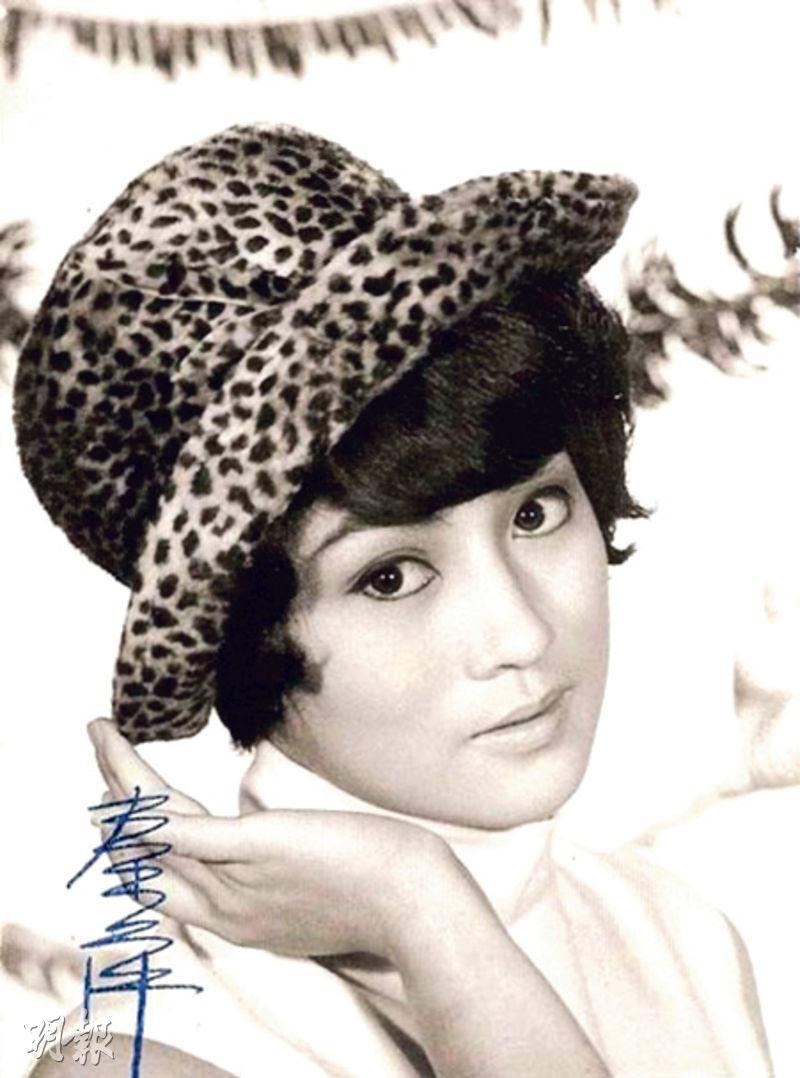
Chin Ping was one of the memorable female performers of the Shaw Brothers era. She became known for her work in swordplay and martial arts productions, although reliable biographies do not clearly establish a specific formal martial arts style that she studied outside her film work.
She built her reputation during the studio’s golden period and appeared in productions that showcased the elegant swordplay and action style associated with Shaw Brothers wuxia cinema. Her work helped make her one of the familiar female faces of the period.
Passed away: 2017, at age 68. Public sources provide limited information about the circumstances of her death.
Remembered for: Her work as one of Shaw Brothers’ early female martial arts and swordplay stars.
16. Cheng Pei-pei (1946–2024)
.jpg)
Cheng Pei-pei became one of the first great female action stars of Hong Kong cinema. Before entering films, she trained in ballet and traditional Chinese dance rather than following a formal martial arts school. King Hu recognized that movement training and used it to create a new kind of graceful but powerful screen fighter.
Her breakthrough came with Come Drink with Me (1966), followed by Golden Swallow and The Lady Hermit. Decades later, international audiences discovered her again as Jade Fox in Crouching Tiger, Hidden Dragon.
Passed away: July 17, 2024, in the San Francisco Bay Area, at age 78, after corticobasal degeneration, a rare neurodegenerative disease.
Remembered for: Her pioneering work as the “Queen of Swords” and her lasting influence on female martial arts cinema.
17. Linda Lin Dai (1934–1964)

Linda Lin Dai was one of the biggest Mandarin-language stars of the early Shaw Brothers era. Her work was mainly dramatic and historical rather than traditional kung fu, and reliable biographies do not establish formal martial arts training. Her importance to Shaw Brothers, however, reaches far beyond fight scenes.
She became known for her beauty and dramatic ability and won the Best Actress award at the Asia-Pacific Film Festival four times for Shaw productions. Her films included Love Without End, Diau Charn, The Kingdom and the Beauty and Madam White Snake.
Passed away: July 17, 1964, in Hong Kong, at age 30, after an overdose of sleeping pills in a suicide.
Remembered for: Her enormous popularity and her place in the early golden age of Shaw Brothers Mandarin cinema.
18. Betty Loh Ti (1937–1968)

Betty Loh Ti was one of the most celebrated actresses of Hong Kong’s Mandarin film era. Her best-known work was in drama, romance and period productions rather than martial arts cinema, and reliable sources do not identify formal martial arts training. She nevertheless became an important part of the Shaw Brothers story.
She joined Shaw Brothers in the late 1950s and became famous for films including The Enchanting Shadow and The Love Eterne. Her performances helped define the polished style of Mandarin-language Hong Kong cinema during its golden period.
Passed away: December 27, 1968, in Hong Kong, at age 31, from a barbiturate overdose.
Remembered for: Her beauty, dramatic talent and the remarkable body of work she left behind before her early death.
19. Yuen Siu-tien (1912–1979)
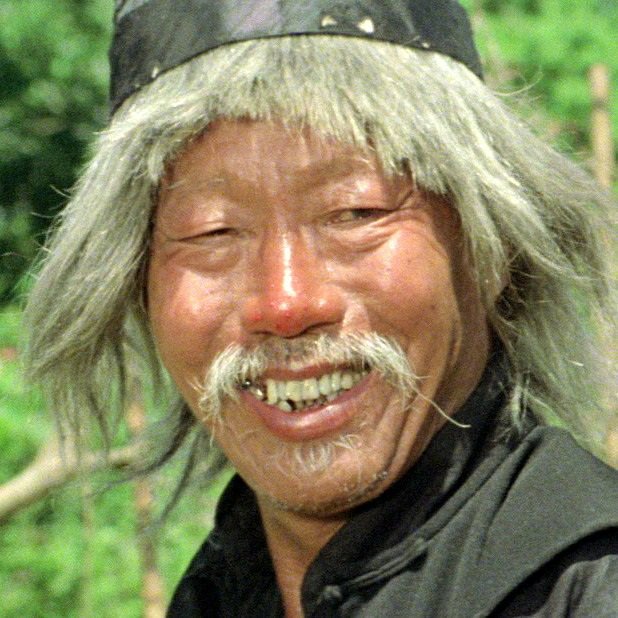
Yuen Siu-tien was a veteran actor and martial artist whose physical training went back to Peking Opera. He trained in the traditional wusheng role, which emphasized martial movement, acrobatics and stage combat. That background became the foundation for the unusual physical comedy he brought to kung fu films.
He became internationally beloved as Beggar So in Drunken Master, Story of Drunken Master and Dance of the Drunk Mantis. He also worked with his son, director and action choreographer Yuen Woo-ping, helping establish one of Hong Kong cinema’s great martial arts families.
Passed away: January 8, 1979, in Hong Kong, at age 66, from a heart attack.
Remembered for: Beggar So, drunken boxing comedy and the Peking Opera skills that made his performances so distinctive.
20. Bruce Lee (1940–1973)

Bruce Lee changed martial arts cinema because he was a real martial artist first. He studied Wing Chun under Ip Man and later developed his own approach, Jeet Kune Do, drawing from different fighting systems and emphasizing speed, directness and adaptability.
His films The Big Boss, Fist of Fury, The Way of the Dragon and Enter the Dragon transformed international ideas about kung fu. His influence reached far beyond Golden Harvest and can be felt throughout the martial arts cinema that followed in the 1970s.
Passed away: July 20, 1973, in Hong Kong, at age 32, after fatal cerebral edema. The inquest recorded the death as misadventure.
Remembered for: His extraordinary speed, real martial arts ability and the worldwide impact he had on kung fu movies.
21. Toshiro Mifune (1920–1997)

Toshiro Mifune was one of the greatest stars of Japanese samurai cinema. He was not known for a formal martial arts lineage in the way Bruce Lee or Sonny Chiba was, but his physical training, stage movement and intense screen presence made him one of the most convincing swordsmen in film history.
His collaborations with Akira Kurosawa produced Seven Samurai, Yojimbo, Sanjuro and The Hidden Fortress. His performances helped establish the visual language of Japanese swordplay that later influenced Hong Kong and international action cinema.
Passed away: December 24, 1997, in Tokyo, at age 77, after multiple organ failure.
Remembered for: His legendary samurai characters and enormous influence on Japanese and international action filmmaking.
22. Sonny Chiba (1939–2021)
.jpg)
Sonny Chiba was a genuine martial artist as well as a movie star. He trained in Kyokushin karate under Mas Oyama and later studied other disciplines, including judo and ninjutsu. His real training allowed him to perform demanding action work with unusual physical force and credibility.
He became internationally known through the Street Fighter films and later gained a new generation of fans through appearances connected to Quentin Tarantino’s martial arts cinema. Chiba also founded the Japan Action Club to train performers for film and television.
Passed away: August 19, 2021, near Tokyo, at age 82, from complications related to COVID-19.
Remembered for: The Street Fighter series, his martial arts ability and his influence on Japanese action performers.
23. Anita Mui (1963–2003)

Anita Mui was primarily a singer and actress rather than a formally trained martial artist. She became an important figure in Hong Kong action cinema because of her athletic screen presence, confidence and ability to hold her own among established martial arts performers. Reliable sources do not identify a specific martial arts lineage for her.
Fans remember her in films including The Heroic Trio, The Magic Crane, Drunken Master II and Rumble in the Bronx. She worked with many of Hong Kong’s leading stars and filmmakers and became one of the city’s most beloved entertainers.
Passed away: December 30, 2003, in Hong Kong, at age 40, from complications of cervical cancer that led to respiratory and lung failure.
Remembered for: Her powerful performances, generosity and lasting place in Hong Kong film and popular culture.
24. Carl Scott (1961–2025)
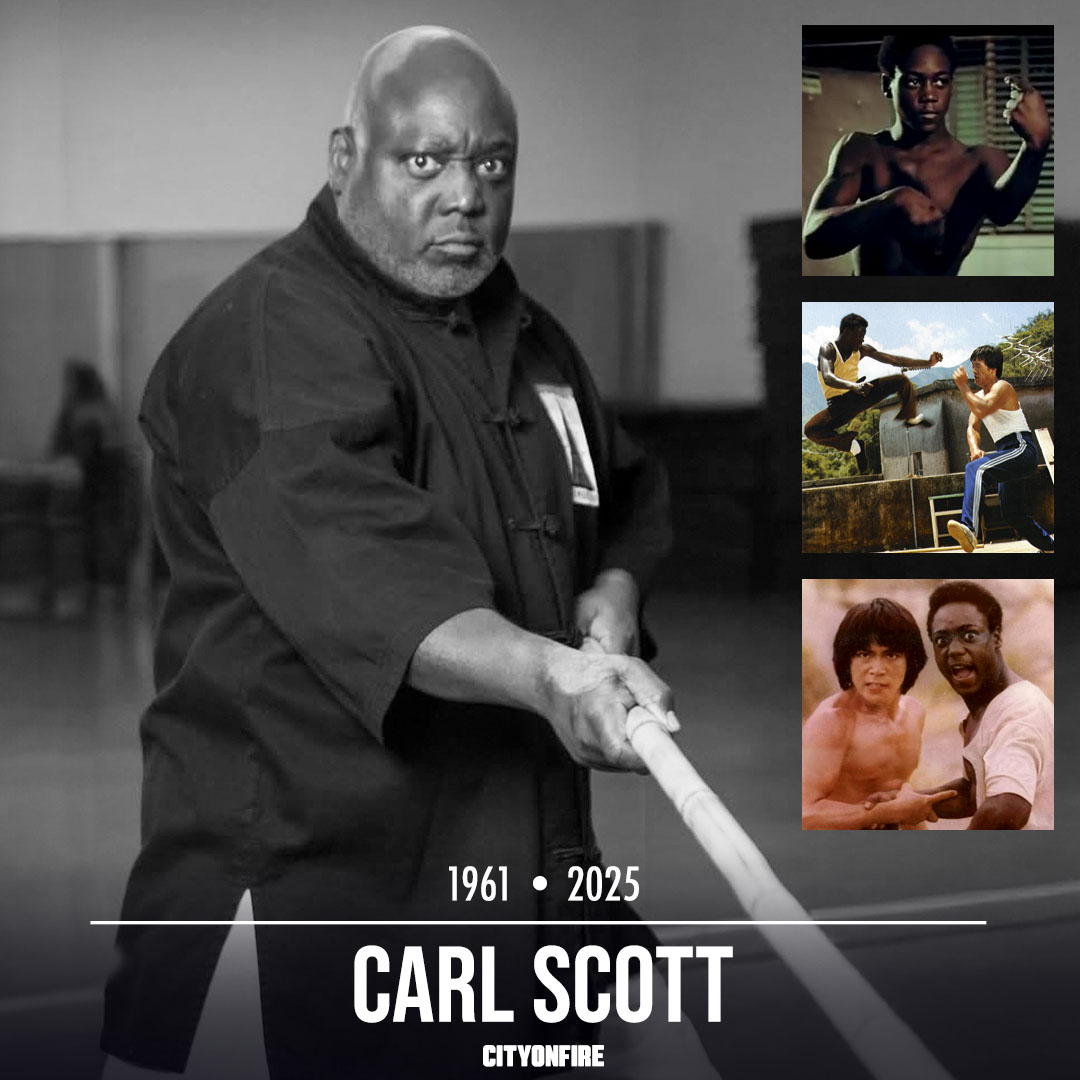
Carl Scott was an American martial artist who became one of the few Black performers to make a notable connection with Hong Kong kung fu cinema. He was known for his fighting ability and later continued teaching and developing his martial arts practice. Public sources do not consistently identify one formal lineage as the sole basis of his training.
He appeared in Bruce Lee: The Man, the Myth, Soul Brothers of Kung Fu, Sun Dragon and Kung Fu Executioner. His work also connected him with performers such as Billy Chong and other Hong Kong action specialists.
Passed away: May 29, 2025, in Los Angeles, at age 63. A specific cause of death has not been reliably reported.
Remembered for: His martial arts ability and important place in the history of Black martial artists working in Hong Kong cinema.
25. Norman Chu Siu-Keung (1950–2024)
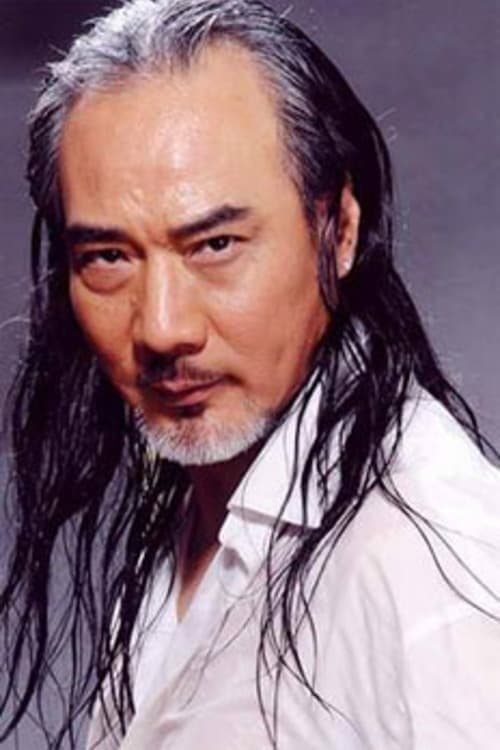
Norman Chu was a familiar face of classic Hong Kong swordplay and kung fu cinema. He entered the Shaw Brothers system after working as an accountant and was accepted into the studio’s actor training program. Reliable biographies do not clearly document a specific traditional martial arts lineage for him, but his years in the Shaw system gave him extensive experience with screen fighting and weapons work.
He became known for heroic and sword-wielding characters in The 36th Chamber of Shaolin, Heroes of the East, Shaolin Challenges Ninja, Duel to the Death and Zu: Warriors from the Magic Mountain.
Passed away: September 1, 2024, in Beijing, at age 73, from esophageal cancer.
Remembered for: His swordplay roles, versatility and long contribution to Hong Kong martial arts cinema.
26. Fung Hak On

Fung Hak On came from a film family and became a familiar face in Hong Kong kung fu and action movies. He was known primarily as an actor, stunt performer and action specialist. Reliable sources do not clearly establish a specific formal martial arts style for him, so his screen fighting should not be confused with a documented personal lineage.
He became part of the second generation of the Jackie Chan Stunt Team and worked on films including The Young Master, Dragon Lord, Police Story, Kung Fu Hustle and Ip Man 2. His career included important work both in front of and behind the camera.
Passed away: March 2, 2016, in Kowloon, Hong Kong, at age 67, from cancer.
Remembered for: His stunt work, villainous roles and contribution to Hong Kong action filmmaking.
27. Wong Yu

Wong Yu, also known as Wong Yue, was one of the distinctive comic martial arts performers of Shaw Brothers. Reliable biographies do not clearly identify a formal lifelong kung fu lineage for him, but his screen work showed agility, acrobatics and familiarity with traditional kung fu movement.
He joined Shaw Brothers in 1972 and worked closely with director and martial arts choreographer Lau Kar-leung. Fans remember him in Dirty Ho, The 36th Chamber of Shaolin, Executioners from Shaolin, The Eight Diagram Pole Fighter and Challenge of the Masters.
Passed away: May 16, 2008, in Hong Kong, at age 52, from acute pneumonia.
Remembered for: His comic timing, agility and memorable supporting roles in the Shaw Brothers kung fu films of the 1970s and 1980s.